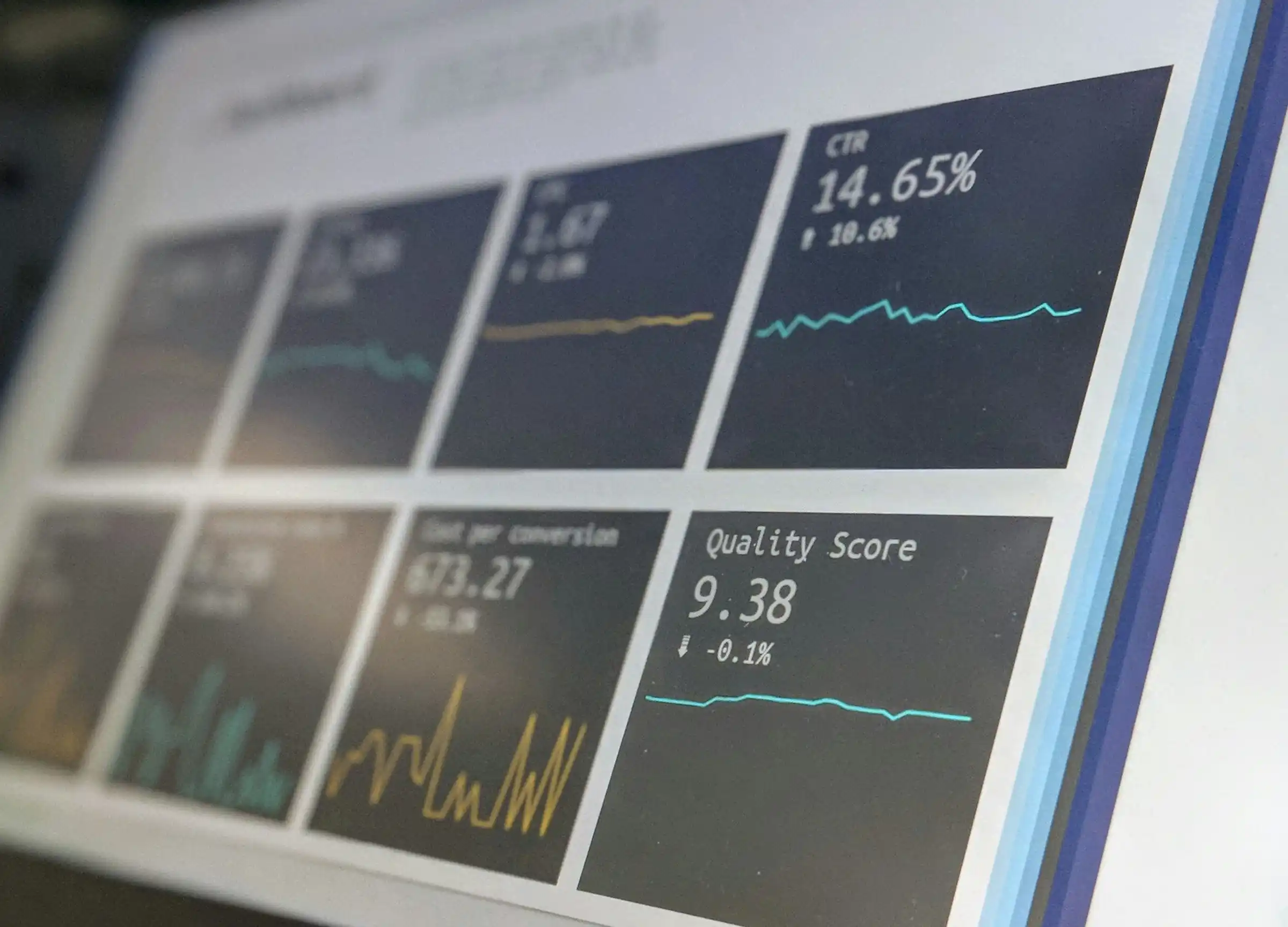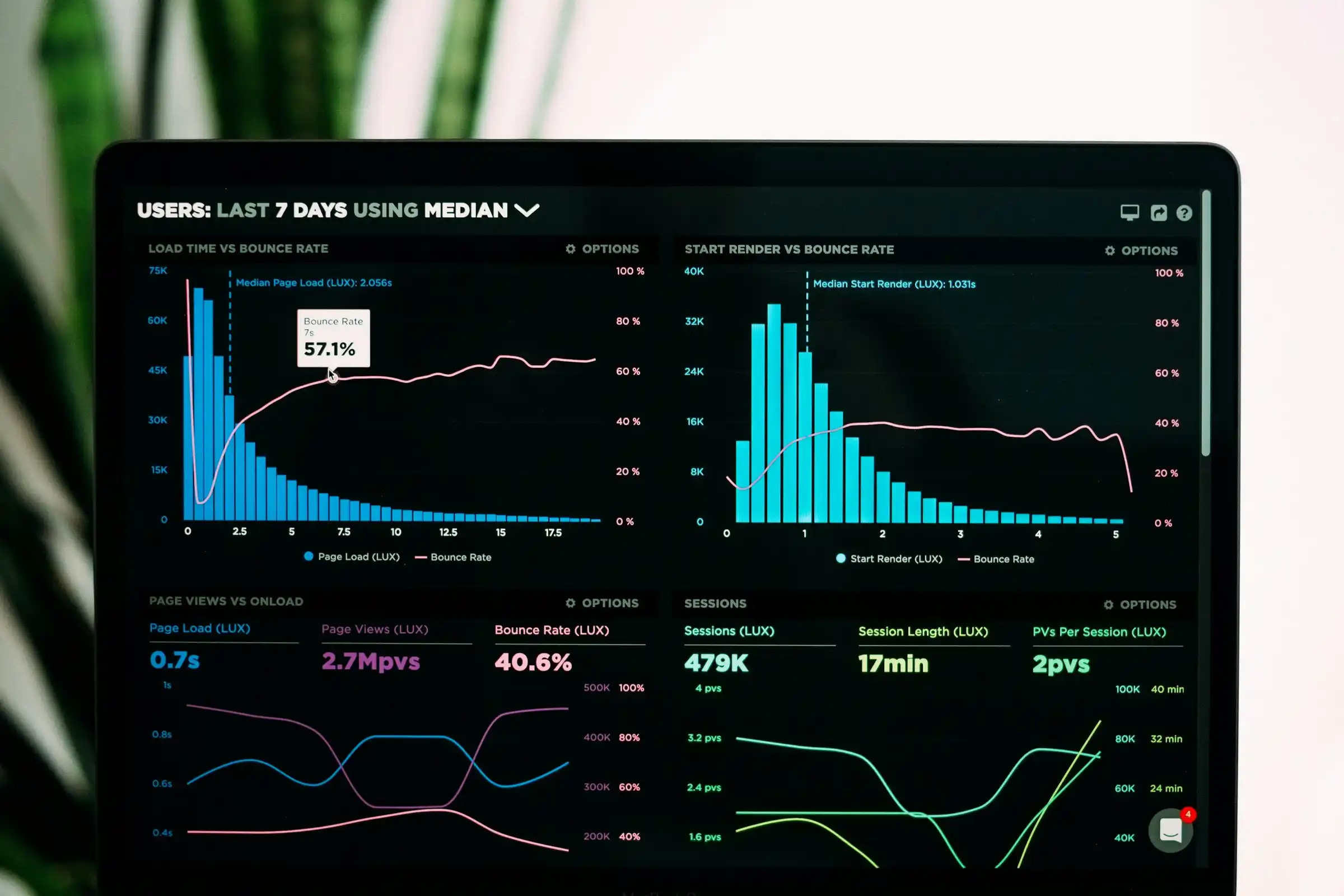

You can spend more on ads, rebuild the paywall, or launch a new campaign and still make the wrong call, because the number you based it on was never right.
Every growth decision rests on a measurement. Which channel to scale, which test won, whether the new onboarding helped. When the measurement is wrong, the decision is wrong, and nothing about the decision itself will tell you so.
What the numbers were hiding
A duplicate purchase event is the easiest example. It does not break anything visibly. The dashboard loads, the chart goes up, the campaign looks profitable, and the budget follows. Nobody questions a number that agrees with what they hoped.
Missing events are harder still, because absence is invisible. A test that looks flat may have worked perfectly for the half of users whose activation never fired.
More budget will not fix bad data. It will only help you reach the wrong conclusion faster.
Three failures that look like success
- A campaign that reports profitably because purchases are counted twice.
- A creative test that reads flat because the exposure event never fired.
- A channel that looks cheap because installs attribute to it by default.

How to check before you spend
Start with the events that carry money. Purchase, trial start, subscription renewal. Fire them in staging, compare what you sent with what arrived, and reconcile the totals against the store.
Then work backwards through attribution. If the source of an install is wrong, every downstream number inherits the error, and no amount of dashboard polish will surface it.
What good looks like
Good measurement is unglamorous. Events arrive once, arrive complete, and mean the same thing in every system that reads them. Deep links preserve context. Experiments record who saw what.
None of that makes a campaign work. It just means that when a campaign does work, you will be able to tell.