




Step 01
Audit What Your App Actually Sends
Review attribution SDKs, events, integrations, deep links, purchases, and data flows to spot missing, duplicated, delayed, or unreliable signals.
App Analytics & App Growth Engineering
You can spend more on ads, change your paywall, or test a new campaign and still make the wrong call when your data is wrong. One duplicate purchase can make a campaign look profitable. Missing events can make a good test look bad. Broken attribution can send your budget in the wrong direction. App Growth Engineering fixes the technical gaps behind those decisions.
38%
increase in app retention
24%
reduction in churn
41%
increase in customer lifetime value
The Reality
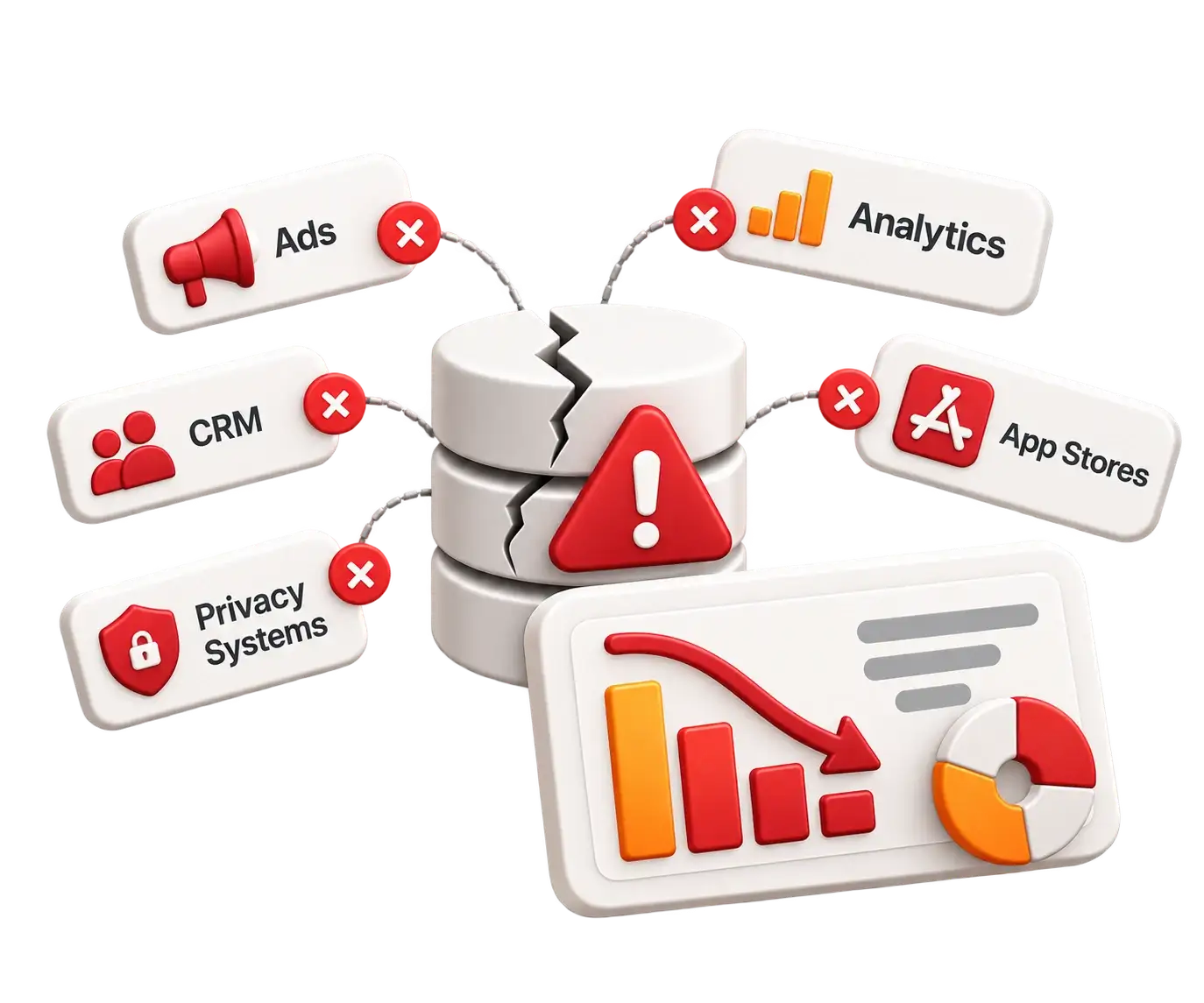
Your app connects ads, analytics, CRM, app stores, and privacy systems. Broken attribution, missing events, or failed deep links can distort your numbers. More budget won’t fix bad data. Your growth stack must connect every step from install to revenue.
Good campaigns deserve good data. Know exactly what happened after the click, before another dollar gets attached to the story.
Step 01
Review attribution SDKs, events, integrations, deep links, purchases, and data flows to spot missing, duplicated, delayed, or unreliable signals.
Step 02
Define the event taxonomy for acquisition, activation, engagement, subscriptions, purchases, churn, and revenue.
Step 03
Configure AppsFlyer, Adjust, or Singular with the right conversion events, postbacks, and privacy-aware measurement.
Step 04
Connect analytics, attribution, CRM, advertising, and subscription platforms through APIs, Conversions API, and server-to-server events.
Step 05
Configure Universal Links, Android App Links, and deferred deep links so users reach the right destination.
Step 06
Configure eligibility, variants, exposure events, and purchase tracking across RevenueCat, Superwall, Adapty, StoreKit 2, and Google Play Billing.
Step 07
Validate events, attribution, purchases, deep links, experiments, SDKs, and integrations across staging and production.
In their words
I really enjoyed working with team Invictus Studio. They have a very willing spirit to complete tasks with a high quality of workmanship. Their team is the best when it comes to communicating and bringing solutions to any challenge.
It was a delight working with the team at Invictus Studio. I value their creative input and professional behavior throughout the journey. I intend on hiring them over and over again
Invictus Studio has an extremely professional team that worked closely with me at every step of the way. They successfully built our business website from scratch in a short amount of time. They undoubtedly exceeded my expectations.
I had no time to run marketing on top of my job. They picked one channel, ran it, and the installs finally started coming.
I worked with Invictus Studio for my ecommerce site. While this project was pretty small, I am completely convinced that they have the potential to carry out the most challenging development projects
I wanted to design a unique website that perfectly illustrates my creative business. Invictus Studio did a great job and brought my random thoughts to life
Very professional team with quick solutions to all design and development challenges!
The Missing Link
Technical implementation depends on the existing codebase, number of platforms, SDK complexity, event volume, privacy requirements, and release process.
Phase
Map attribution, events, SDKs, deep links, paywalls, experiments, platforms, and current data flows.
Phase
Implement missing events, repair broken integrations, configure attribution and deep links, and prepare the required experiment or paywall infrastructure.
Phase
Test production flows, compare expected and received events, validate attribution paths, and document the implementation for future growth work.
What You Get
Measures whether the events required for acquisition, activation, conversion, and revenue actually reach the systems that use them.
Identifies duplicate, missing, delayed, or incorrectly parameterized events that can distort app analytics.
Shows how much of the acquisition journey receives usable source and campaign information within the measurement limits of each platform.
Checks whether users receive the intended variant and whether the corresponding exposure and conversion events are recorded correctly.
Measures whether important conversion events such as activation, trial, purchase, and subscription are correctly captured and passed to the required platforms.
Monitors startup, runtime, network activity, crash, and performance signals after SDK implementation.
Measures how often users reach the intended destination through configured deep-link journeys.
Validates that purchase and subscription events represent the intended transaction and connect correctly with the systems used for revenue reporting.
See it work

Over six months, organic clicks grew from 7.39K to 12.2K, while organic impressions increased from 512K to 1.12M.
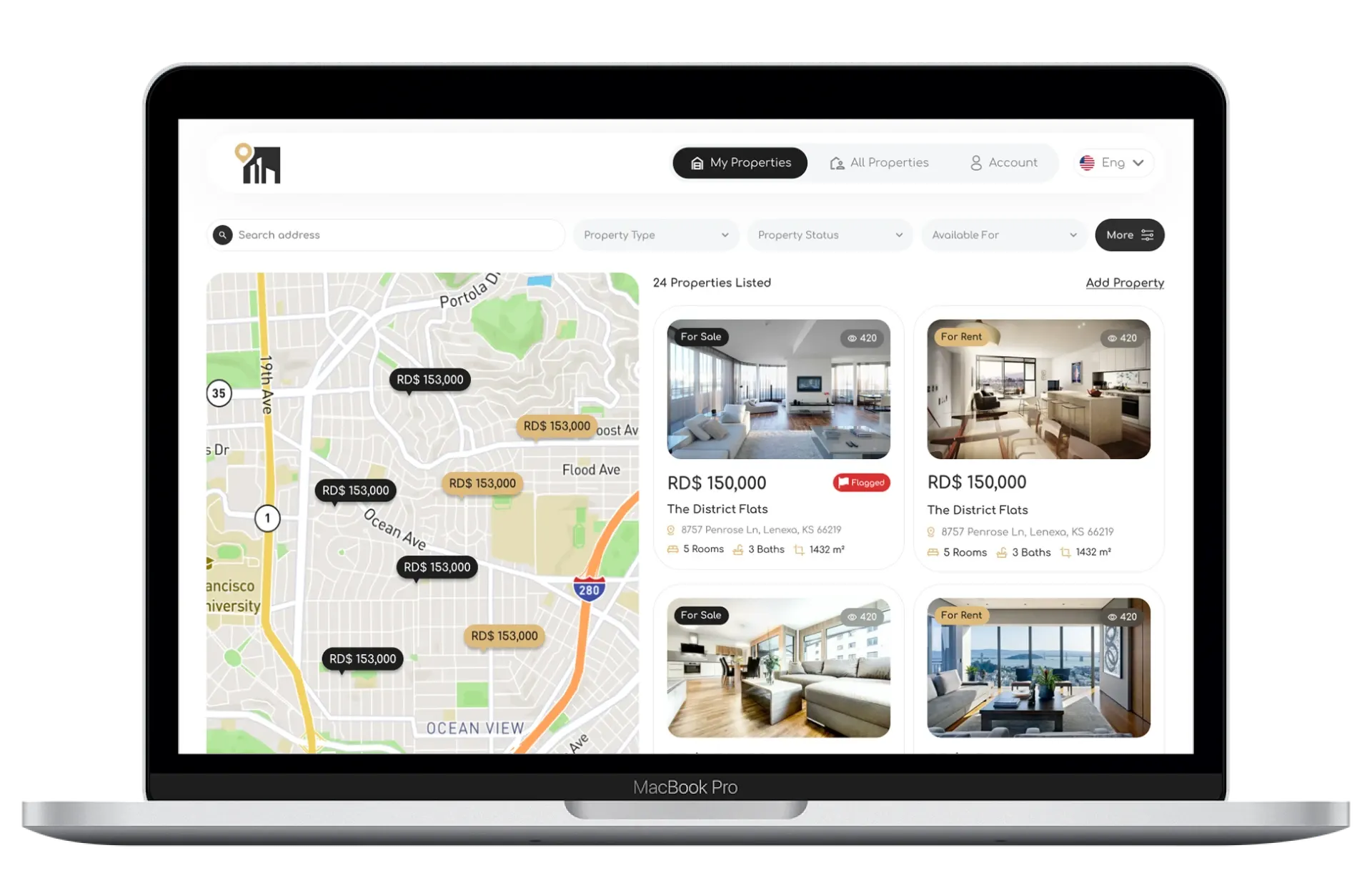
Three months later, Roof360 had 250+ listings and 1,000+ app downloads, starting from zero traffic.
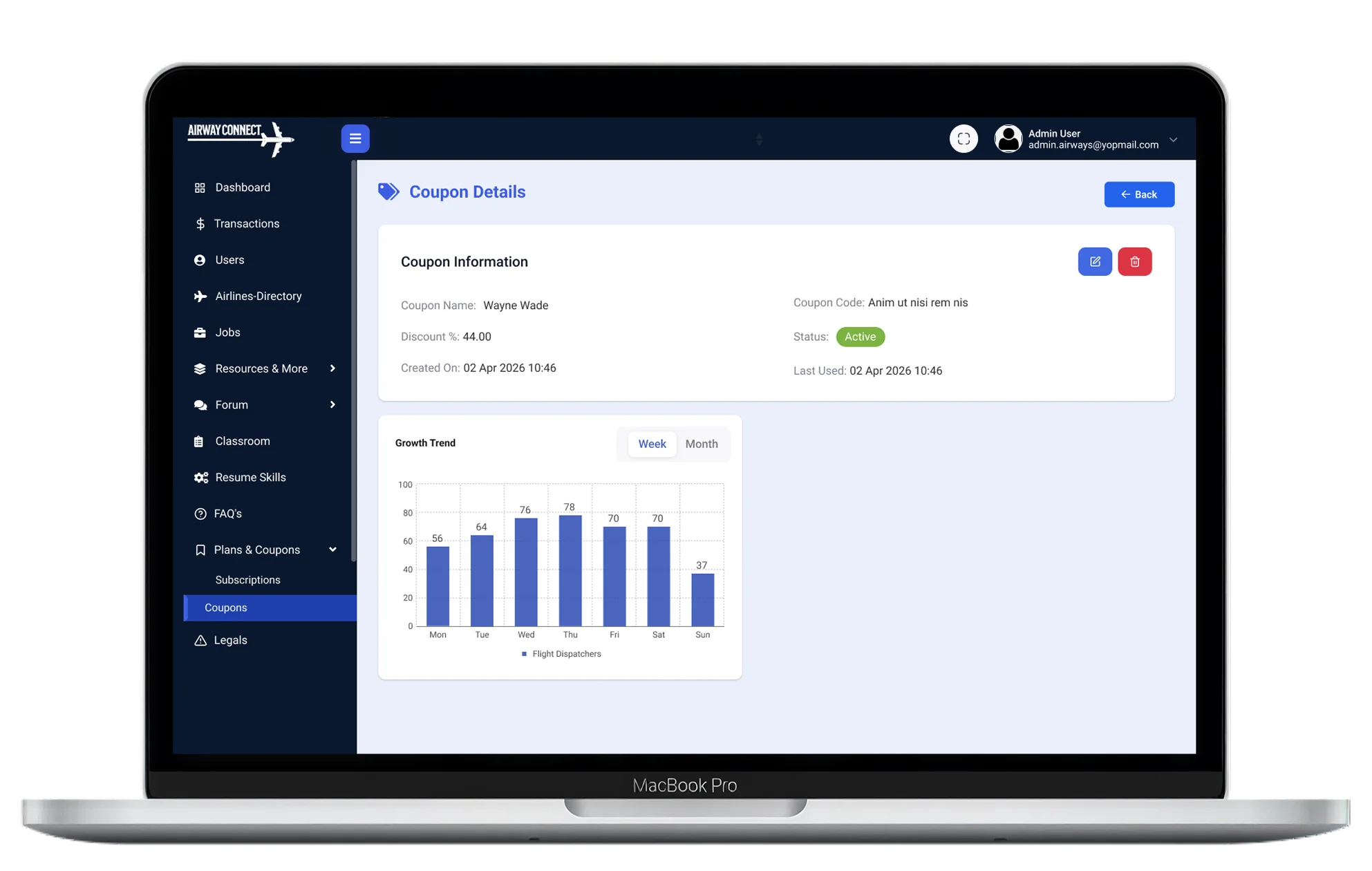
Over three months, that work generated 262 clicks and 50+ signups, giving the campaign a click-to-signup conversion rate of roughly 19%.
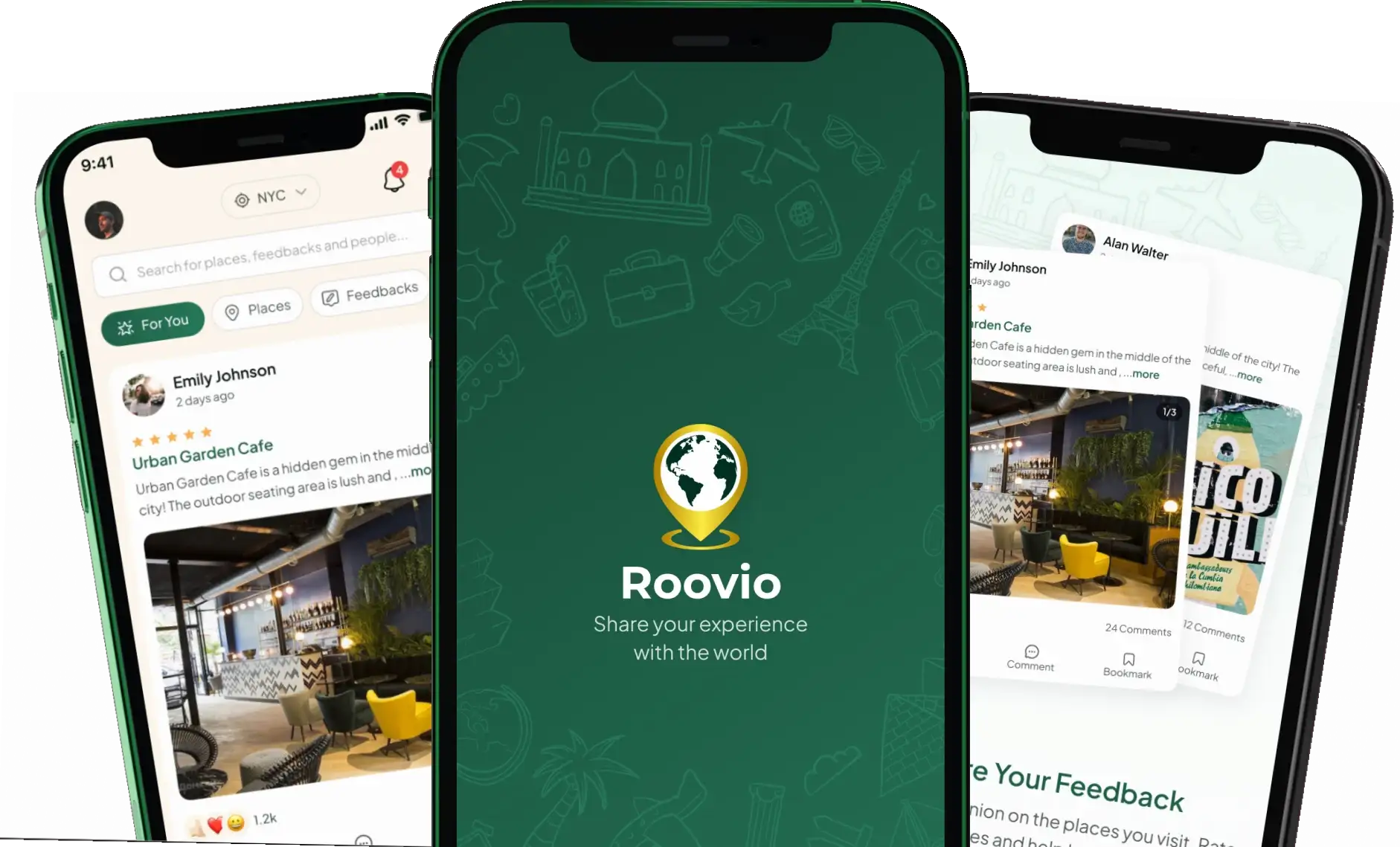
Starting from 0, the strategy generated 500+ clicks, 100+ downloads, and 100+ signups in three months.
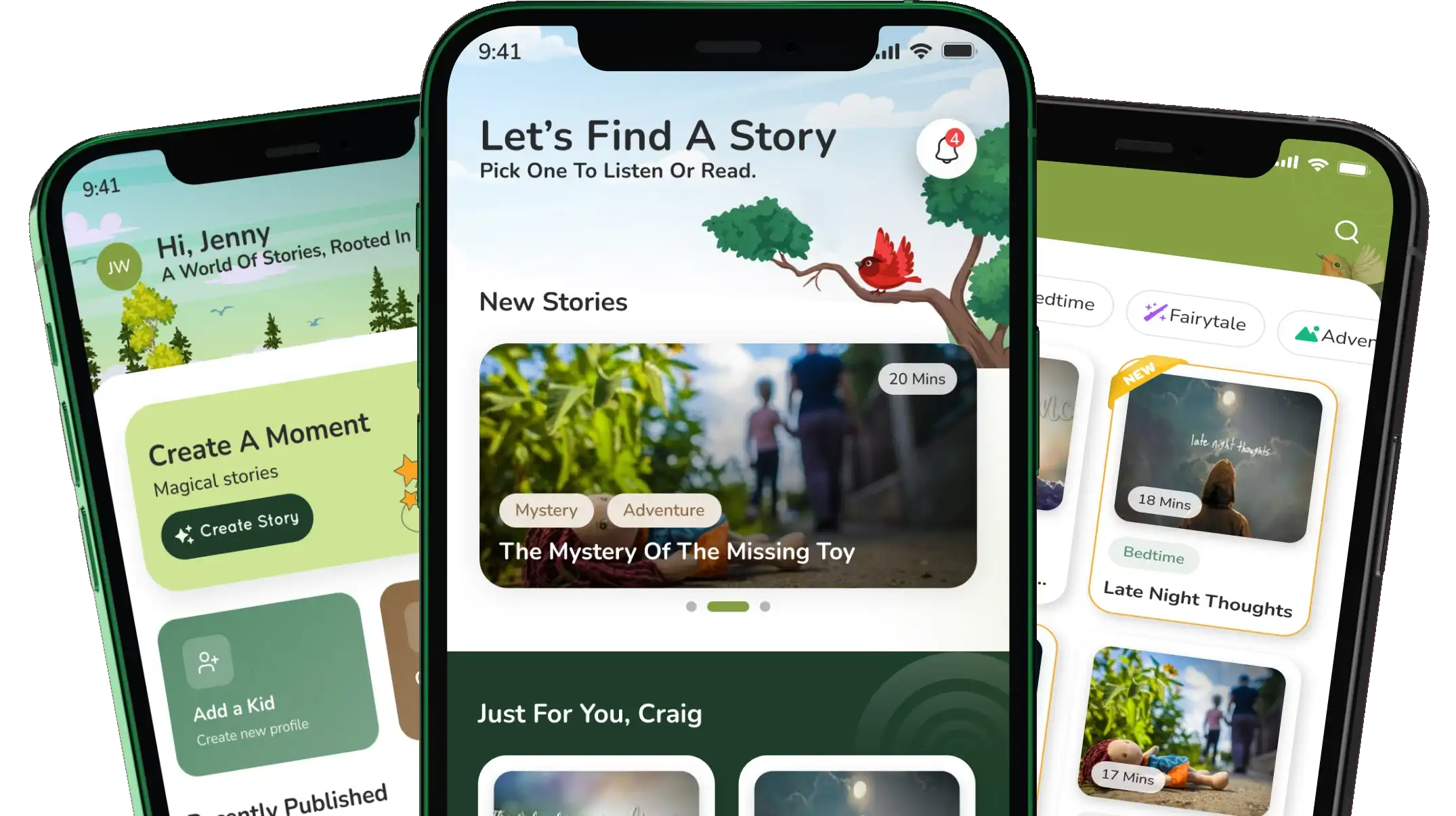
It was figuring out who to reach, where to reach them, and what would make them try the app.
FAQs
App Growth Engineering is the technical work behind reliable growth decisions: attribution, event tracking, deep links, paywall and experiment setup, and the integrations that connect your marketing and product data.
Attribution tells you where a user came from, such as a campaign or channel. Analytics tells you what that user did inside the app. Growth decisions need both, connected.
Yes. We work with the major analytics and customer data platforms, including Amplitude, Mixpanel, Segment, and Firebase, and connect them to the rest of your stack.
Yes. We configure Universal Links, Android App Links, and deferred deep links so users land on the right screen, including after a fresh install.
Yes. We set up subscription and paywall platforms including RevenueCat, Superwall, and Adapty, along with the purchase and experiment events your reporting needs.
Yes. We configure SKAdNetwork, including SKAN 4 conversion values and postbacks, through your attribution provider so iOS campaigns can still be measured within Apple’s privacy limits.
Yes. We implement the App Tracking Transparency prompt and support AdAttributionKit alongside SKAdNetwork, so measurement follows Apple’s current privacy frameworks.
Every SDK has some cost. We review which SDKs are really needed, follow each vendor’s recommended setup, and check startup time, network activity, and stability after implementation.
Usually, yes. Most problems come from configuration, missing events, or broken integrations rather than the tools themselves, so we start by auditing and fixing what you already use.