




Step 01
Start With What Brought the User Here
Identify the promise, problem, or need that led the user to the listing. That expectation becomes the listing’s starting point.
App Store Conversion Optimization
App listing traffic does not guarantee downloads. Visitors leave when the message misses their intent, screenshots fail to show the value, or the listing gives them little reason to choose your app. App Store Conversion Optimization pinpoints the conversion gaps and turns more listing visits into installs.
35%
increase in app store conversion rate
25%
more installs from existing traffic
3 months
to measurable movement
THE INSIGHTS
You know your app inside out, so it is easy to fill the listing with everything it can do. But someone landing on the page does not have that context. They want to know, quickly, whether this app is worth their time and phone space.
If the screenshots, message, and first impression make them work for that answer, they hit the back button instead of the install button.
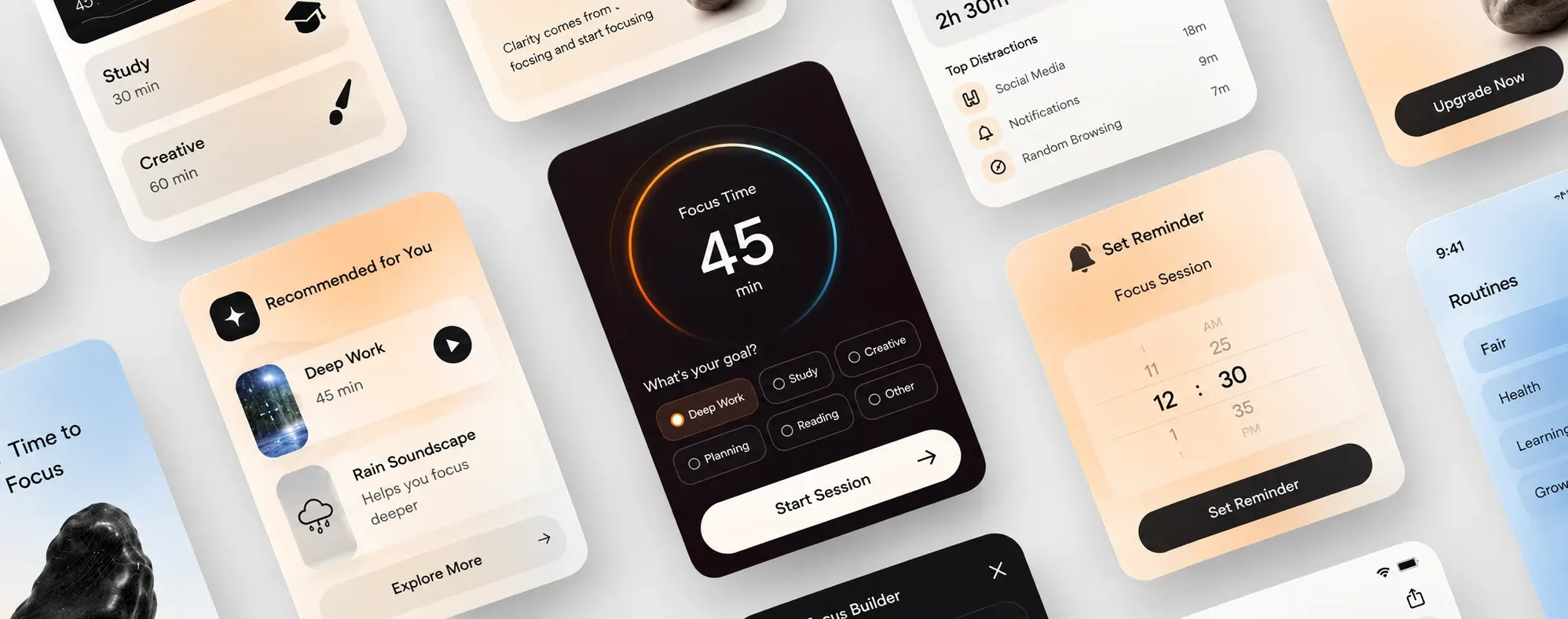
Turn Interest Into Installs
You get the traffic. Now improve your mobile app conversion rate with these expert-driven steps:
Your users are already interested enough to reach your listing. Let’s find out what happens between that visit and the install, then fix what is getting in the way.
Step 01
Identify the promise, problem, or need that led the user to the listing. That expectation becomes the listing’s starting point.
Step 02
The app name, icon, opening screenshot, and first message should make the connection obvious within seconds.
Step 03
Do not lead with everything the app can do. Lead with what matters most to the visitor.
Step 04
Your app conversion rate can increase when you replace feature-heavy messaging with the outcome or problem that feature helps users achieve.
Step 05
Every unnecessary question creates friction and can hurt your app conversion rate. Make the screenshots, copy, and visual flow answer the questions users are likely to have.
Step 06
Once the listing reflects user intent, test different messages, screenshot sequences, and creative angles to identify which version improves your app conversion rate.
In their words
I really enjoyed working with team Invictus Studio. They have a very willing spirit to complete tasks with a high quality of workmanship. Their team is the best when it comes to communicating and bringing solutions to any challenge.
It was a delight working with the team at Invictus Studio. I value their creative input and professional behavior throughout the journey. I intend on hiring them over and over again
Invictus Studio has an extremely professional team that worked closely with me at every step of the way. They successfully built our business website from scratch in a short amount of time. They undoubtedly exceeded my expectations.
I had no time to run marketing on top of my job. They picked one channel, ran it, and the installs finally started coming.
I worked with Invictus Studio for my ecommerce site. While this project was pretty small, I am completely convinced that they have the potential to carry out the most challenging development projects
I wanted to design a unique website that perfectly illustrates my creative business. Invictus Studio did a great job and brought my random thoughts to life
Very professional team with quick solutions to all design and development challenges!
The Gaps
There is no honest “30-day result.” Conversion depends on your starting point, traffic volume, creative changes, and how much testing the listing can support.
Month 1
Audit the listing, traffic sources, current app conversion rate, screenshots, messaging, icon, and biggest friction points. Set the first testing priorities.
Month 2
Run the first creative and messaging tests, measure user responses, and refine the listing based on conversion data.
Month 3
Measure conversion movement against product page visits and installs, validate the greatest changes, and prepare the next testing iteration.
Some tests need more traffic before the result is clear. Others can produce useful signals quickly. What should not happen is months of changing screenshots without knowing whether your app conversion rate is improving.
The Change
Here is what an app conversion optimization service can change to improve your CRO and turn more listing visits into installs.
Make the first visual impression stronger and more relevant to the people landing on your listing.
Turn screenshots into a clear visual story that shows users why the app is worth installing.
Replace feature-heavy messaging with clear reasons to install, based on what brought users to the page.
Turn more of your existing product page traffic into installs instead of relying only on more acquisition.
When more visitors convert, your existing traffic and acquisition spend can generate more installs.
Test screenshot sequences, messages, creative angles, and product page variations to keep improving what converts.
See it work
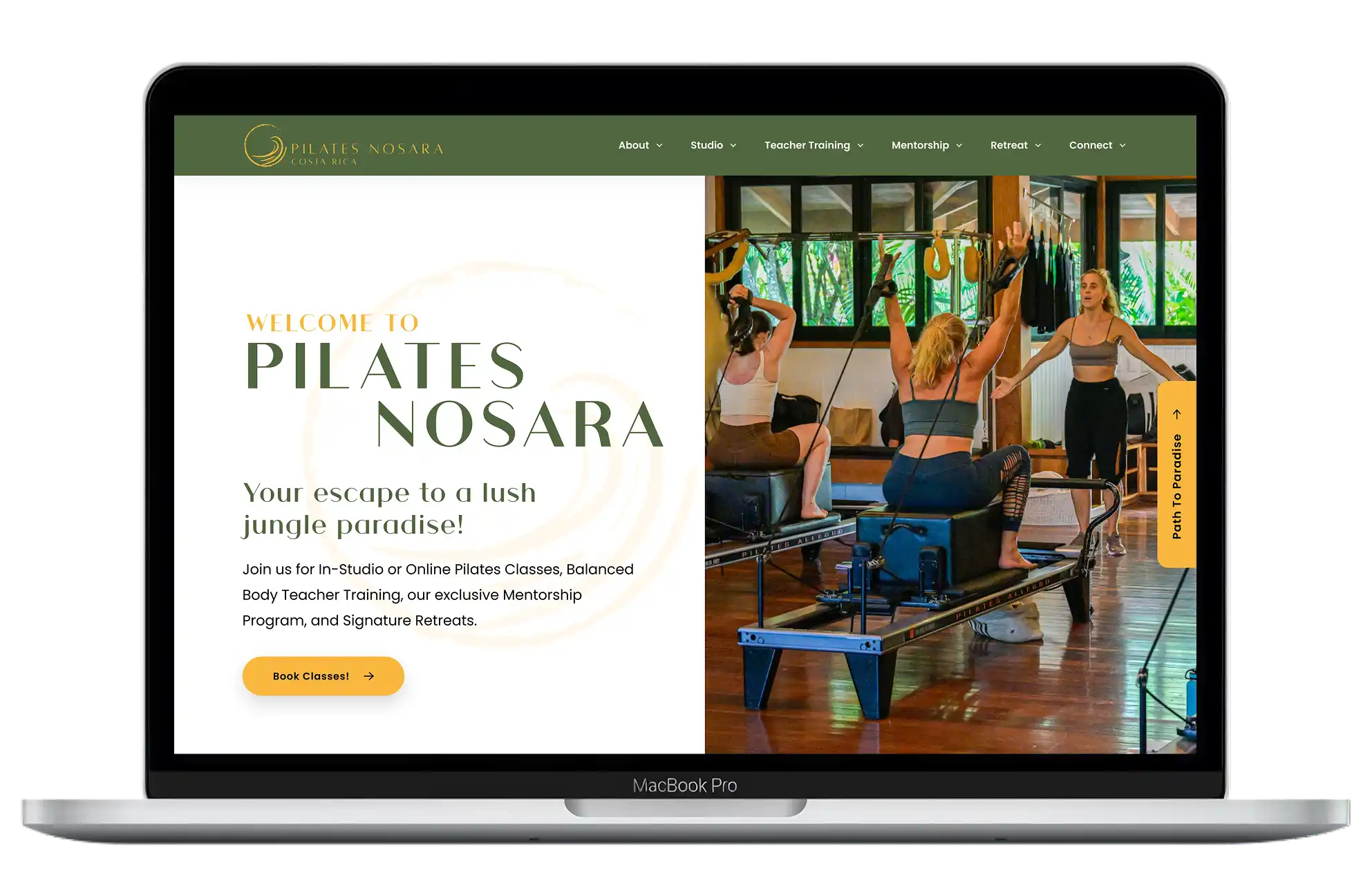
Over six months, organic clicks grew from 7.39K to 12.2K, while organic impressions increased from 512K to 1.12M.
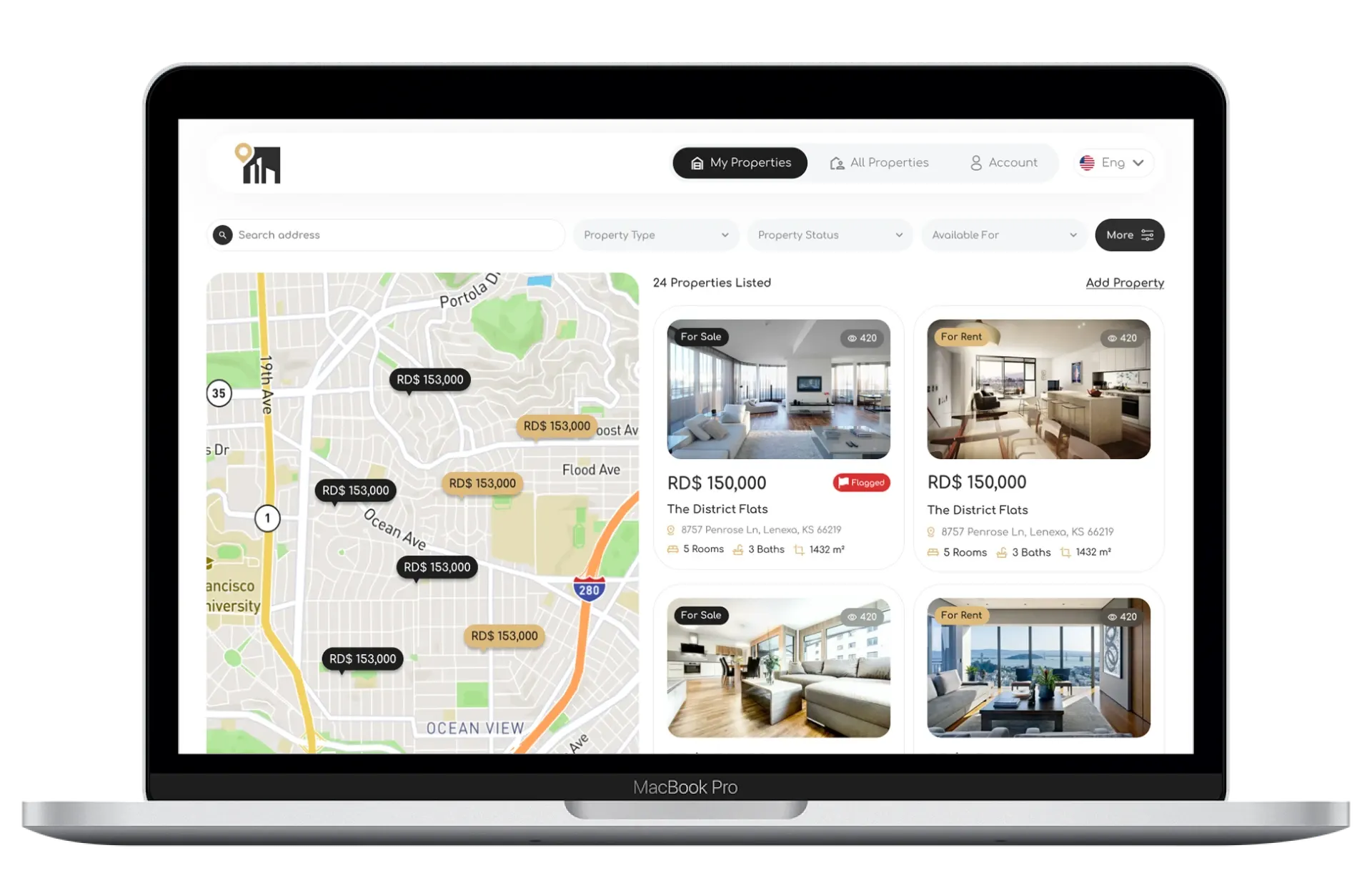
Three months later, Roof360 had 250+ listings and 1,000+ app downloads, starting from zero traffic.
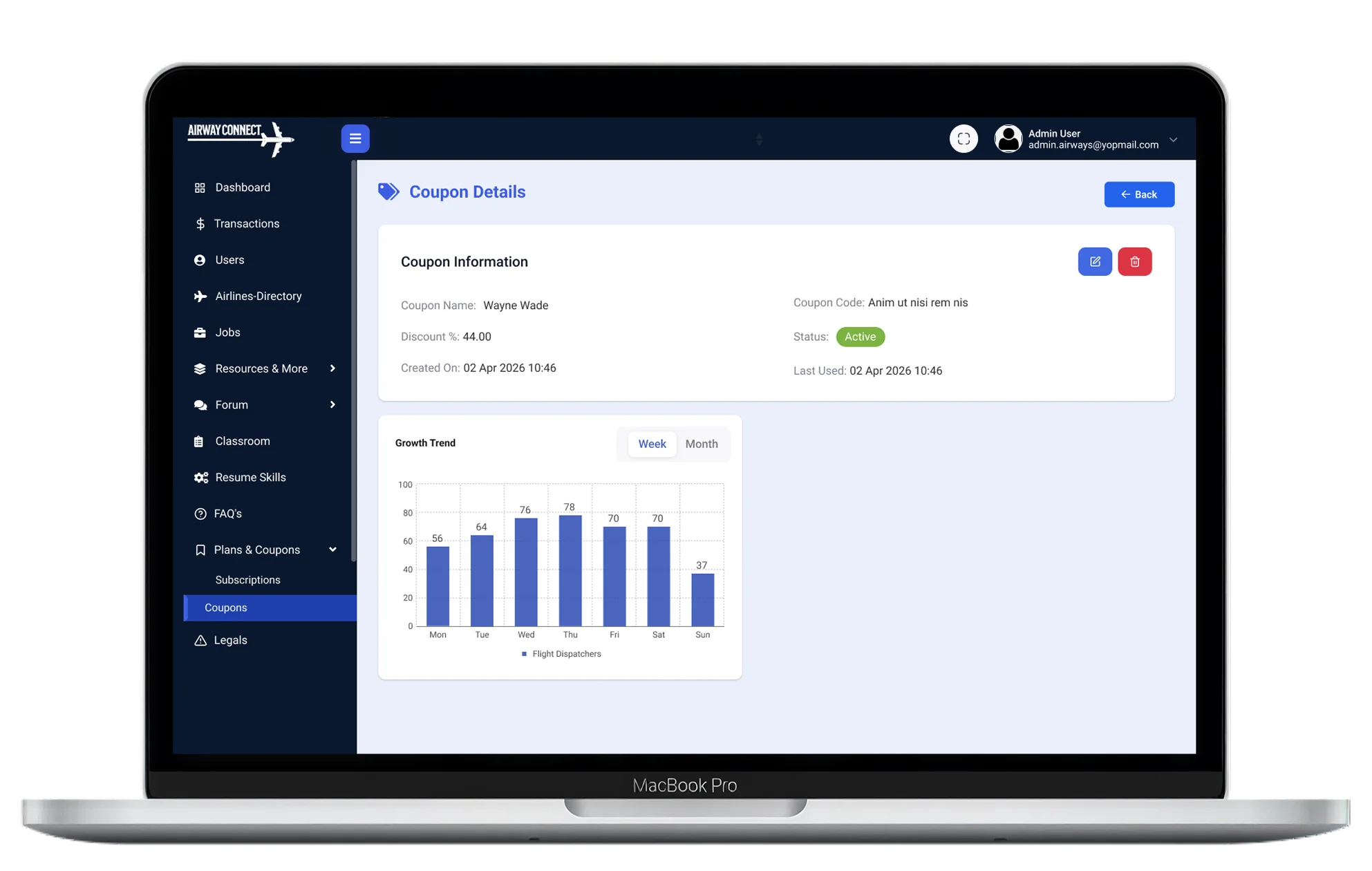
Over three months, that work generated 262 clicks and 50+ signups, giving the campaign a click-to-signup conversion rate of roughly 19%.
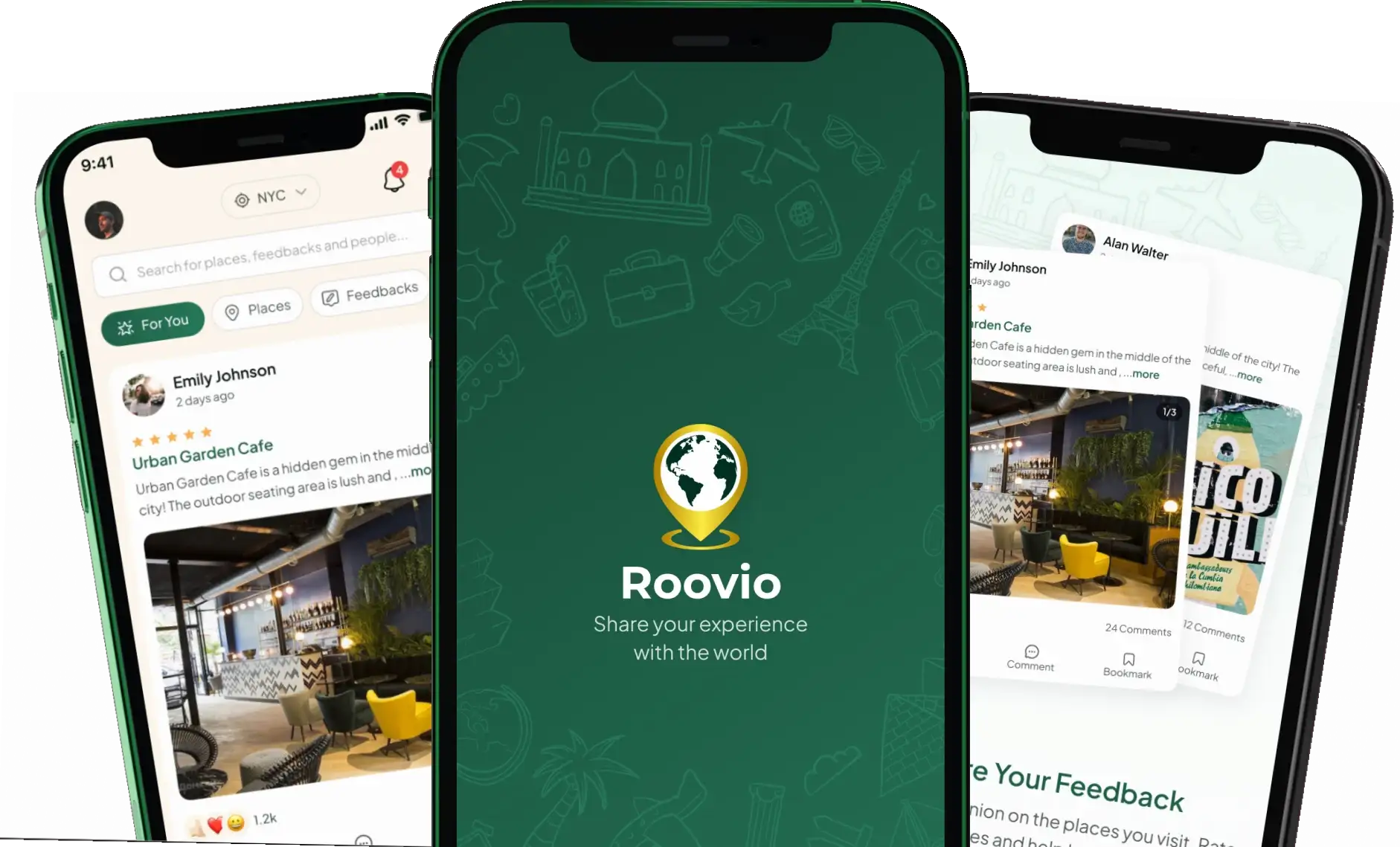
Starting from 0, the strategy generated 500+ clicks, 100+ downloads, and 100+ signups in three months.
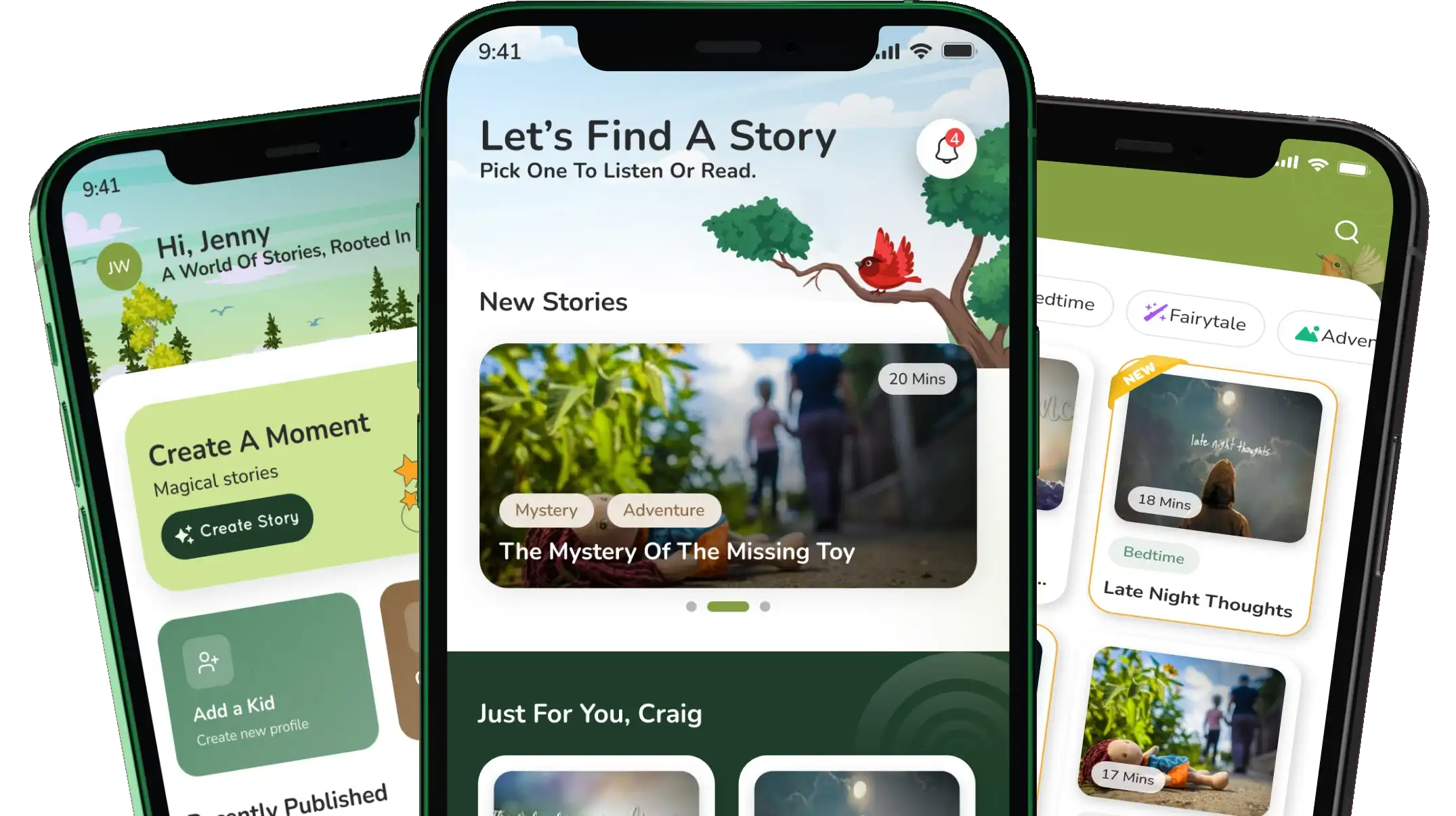
It was figuring out who to reach, where to reach them, and what would make them try the app.







FAQs
Yes. App Store Conversion Optimization matters when users are already reaching your listing but too many leave without installing. Improving your app store conversion rate helps turn more of that existing traffic into app installs.
The cost of app conversion optimization depends on the scope of the work, testing requirements, platform, and traffic volume. A basic listing review costs less than ongoing app conversion rate optimization with creative testing and performance analysis.
There is no single average app conversion rate that works for every app. Your app store conversion rate benchmark depends on factors such as category, platform, traffic source, market, brand strength, and user intent. Your own baseline is usually the most useful starting point.
Start by looking at where users lose interest. Review your icon, screenshots, messaging, visual sequence, and product page experience. Then test the changes that are most likely to improve your app conversion rate rather than changing everything at once.
App conversion rate optimization starts with matching the listing to user intent, making the value clear quickly, reducing friction, and testing different creative and messaging approaches. The goal is simple: turn more relevant listing visitors into installs.
A 0.7% app conversion rate is low for many app store scenarios, but the number alone does not tell the whole story. Mobile app conversion rates vary significantly by traffic source, category, platform, and user intent, so the right benchmark depends on where those visitors are coming from.
Yes. Google Play and the Apple App Store use different listing structures, reporting systems, and testing options. Your Google Play conversion rate and App Store conversion rate should therefore be measured separately and compared against the right traffic and platform context.