




Step 01
Start With the First Success
Map the actions that take a new user from installation to their first meaningful result, then remove the friction stopping them from getting there.
Activation, Retention & Lifecycle Marketing
Getting users into your app is expensive. If they stop using it after the first session, churn before becoming valuable customers, or never build a habit around the product, your CAC keeps rising while LTV stays flat.
Activation, Retention & Lifecycle Marketing keeps acquired users moving through the moments that matter, using onboarding, push, email, in-app messaging, segmentation, churn reduction, and win-back campaigns.
41%
increase in subscription conversion
2.3x
more trial starts
37%
increase in app revenue
The Reality
A user can install your app, open it once, and still never become a customer.
The onboarding can take too long to reach the useful part. The first session can leave the user without a clear next action. Messages can arrive without any connection to what the user just did. Then the app disappears from their daily routine.
That is why app retention is not just a notification problem.
Users need to reach value, know what to do next, and have a reason to return. Lifecycle marketing keeps those moments connected after the first session.
How It Works
Strong app retention strategies follow what users actually do, rather than sending the same message to everyone.
Acquiring a user is the beginning of the relationship. Retention is where that acquisition cost starts earning its keep.
Step 01
Map the actions that take a new user from installation to their first meaningful result, then remove the friction stopping them from getting there.
Step 02
Build a mobile onboarding experience that gets users to the product’s core value quickly and gives them a clear next action.
Step 03
Separate new, active, inactive, high value, at risk, and churned users so each group receives messaging relevant to where they are.
Step 04
Use push notifications, email, and in app messaging around real user behavior, such as incomplete actions, stalled onboarding, milestones, or declining engagement.
Step 05
Create lifecycle journeys that give active users useful reasons to return, based on product value rather than sending reminders for the sake of engagement.
Step 06
Identify behavioral signals that often appear before users leave, then trigger targeted messages, offers, education, or product prompts before the relationship ends.
Step 07
Build win back campaigns for inactive and churned users, testing different messages, timing, and offers to bring valuable users back.
In their words
I really enjoyed working with team Invictus Studio. They have a very willing spirit to complete tasks with a high quality of workmanship. Their team is the best when it comes to communicating and bringing solutions to any challenge.
It was a delight working with the team at Invictus Studio. I value their creative input and professional behavior throughout the journey. I intend on hiring them over and over again
Invictus Studio has an extremely professional team that worked closely with me at every step of the way. They successfully built our business website from scratch in a short amount of time. They undoubtedly exceeded my expectations.
I had no time to run marketing on top of my job. They picked one channel, ran it, and the installs finally started coming.
I worked with Invictus Studio for my ecommerce site. While this project was pretty small, I am completely convinced that they have the potential to carry out the most challenging development projects
I wanted to design a unique website that perfectly illustrates my creative business. Invictus Studio did a great job and brought my random thoughts to life
Very professional team with quick solutions to all design and development challenges!
The Gaps
Retention work needs enough user activity to reveal behavioral patterns. The timeline depends on your existing user base, data volume, lifecycle setup, and how much testing the app can support.
Month 01
Audit onboarding, activation events, retention data, segments, existing push and email journeys, and churn points. Establish the baseline and prioritize the biggest retention opportunities.
Month 02
Launch prioritized onboarding, engagement, churn prevention, and win back campaigns. Test messaging, timing, segmentation, and triggers against user behavior.
Month 03
Compare D1, D7, and D30 retention, activation, reactivation, churn, and revenue across relevant cohorts. Keep the strongest journeys and build the next testing cycle.
Retention does not improve because more messages are sent. It improves when the right users receive the right intervention at a moment when it can change what they do next.
The Change
The work is not about sending more notifications. It is about building the journeys, segments, and interventions that keep valuable users active longer.
Map the path from install to first value and define the actions, messages, and product moments that move users toward activation.
Create automated push, email, and in app messaging journeys for onboarding, engagement, inactivity, churn risk, and win back.
Build user segments around engagement, product behavior, lifecycle stage, subscription status, and customer value.
Identify where users stop engaging and create targeted interventions around the behaviors that signal declining activity.
Build re engagement journeys for inactive and churned users, with different messages and offers based on user history and value.
Connect activation, retention, churn, and revenue data to identify which user behaviors lead to longer customer relationships and stronger LTV.
The Bigger Picture
More notifications do not mean better retention. The important question is whether users stay active and generate more value over time.
Measure the percentage of new users who complete the actions that define meaningful product adoption.
Measure whether stronger retention increases the revenue generated by each acquired customer over their relationship with the app.
Track how many acquired users return after the first day, first week, and first month.
Connect acquisition cost with customer lifetime value to determine whether better retention is making your acquisition economics healthier.
Measure how many active users stop engaging or cancel, then separate voluntary churn from other causes where the data supports it.
Compare revenue, retention, and churn across user cohorts to identify whether newer acquisition and lifecycle strategies are producing more valuable customers.
Track how many inactive or churned users return after receiving lifecycle or win back campaigns.
See it work
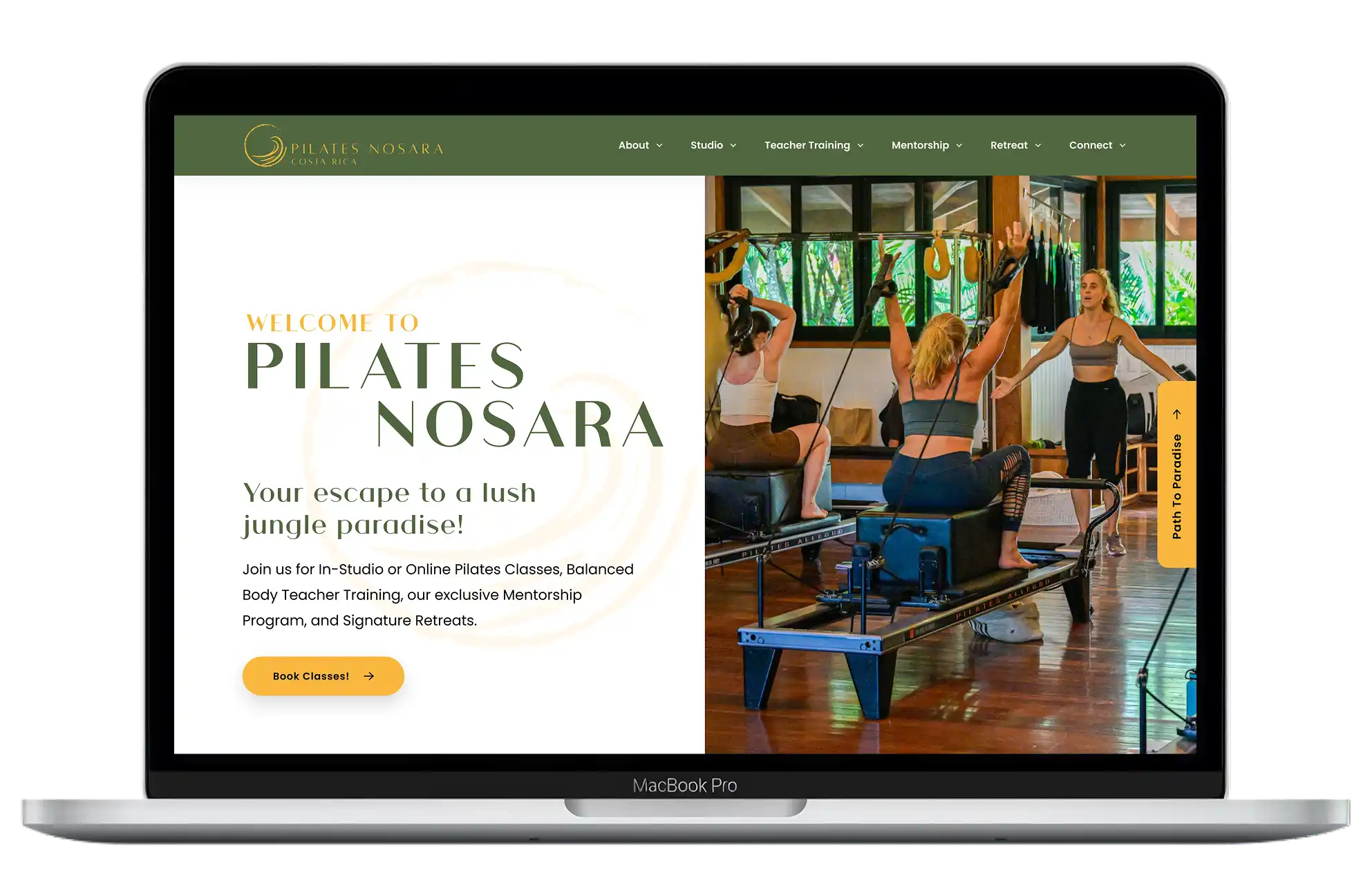
Over six months, organic clicks grew from 7.39K to 12.2K, while organic impressions increased from 512K to 1.12M.
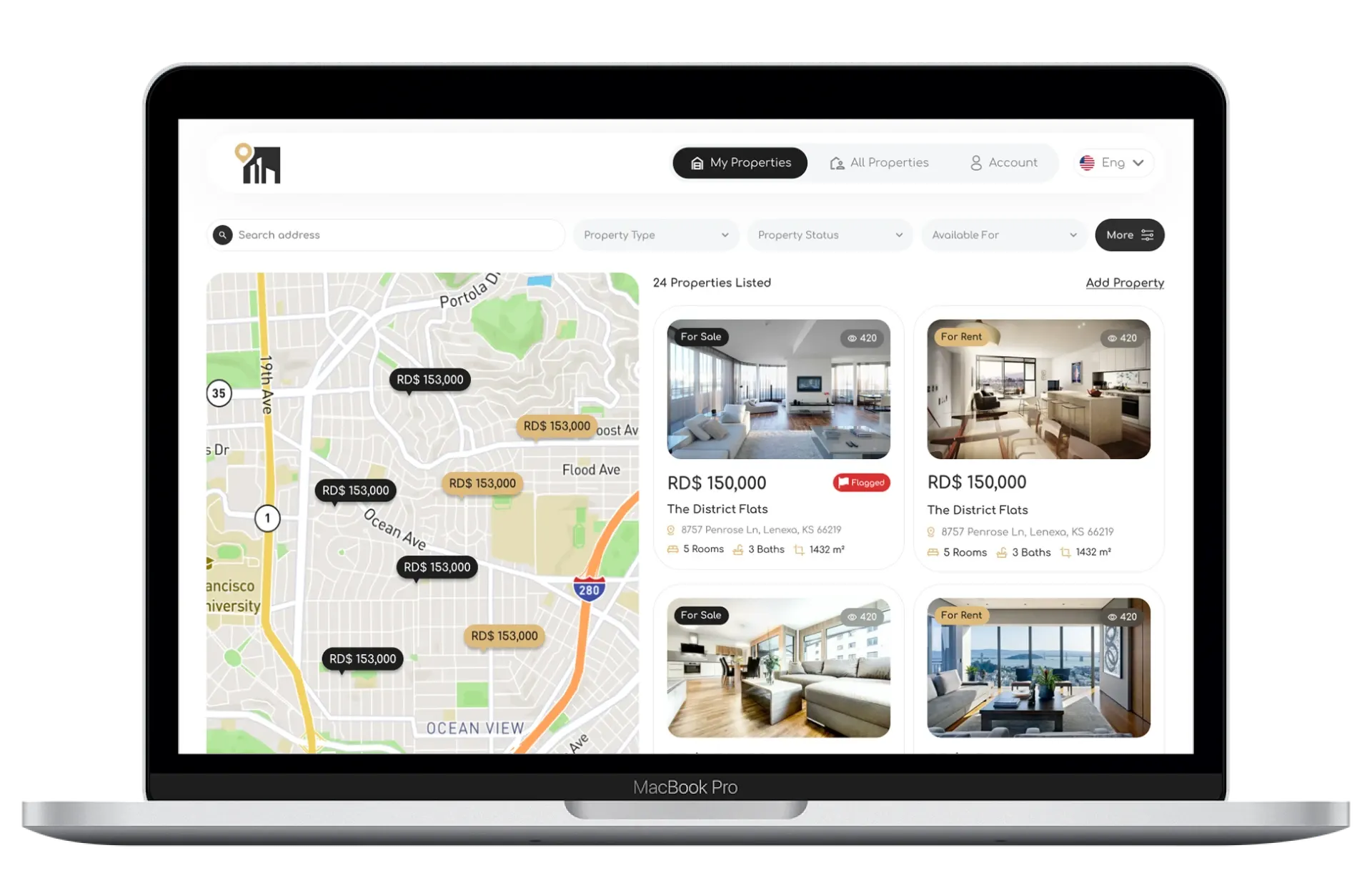
Three months later, Roof360 had 250+ listings and 1,000+ app downloads, starting from zero traffic.
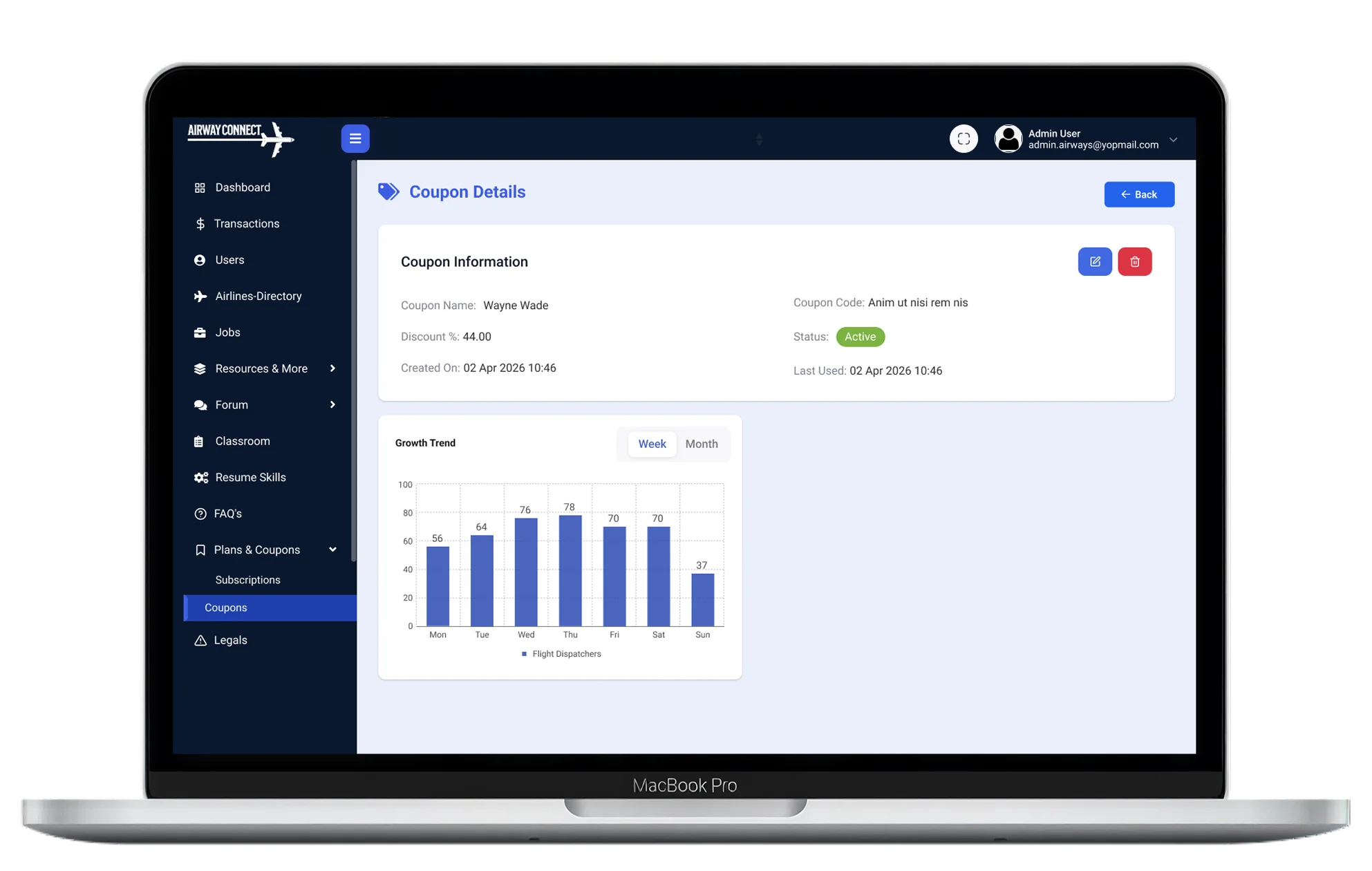
Over three months, that work generated 262 clicks and 50+ signups, giving the campaign a click-to-signup conversion rate of roughly 19%.
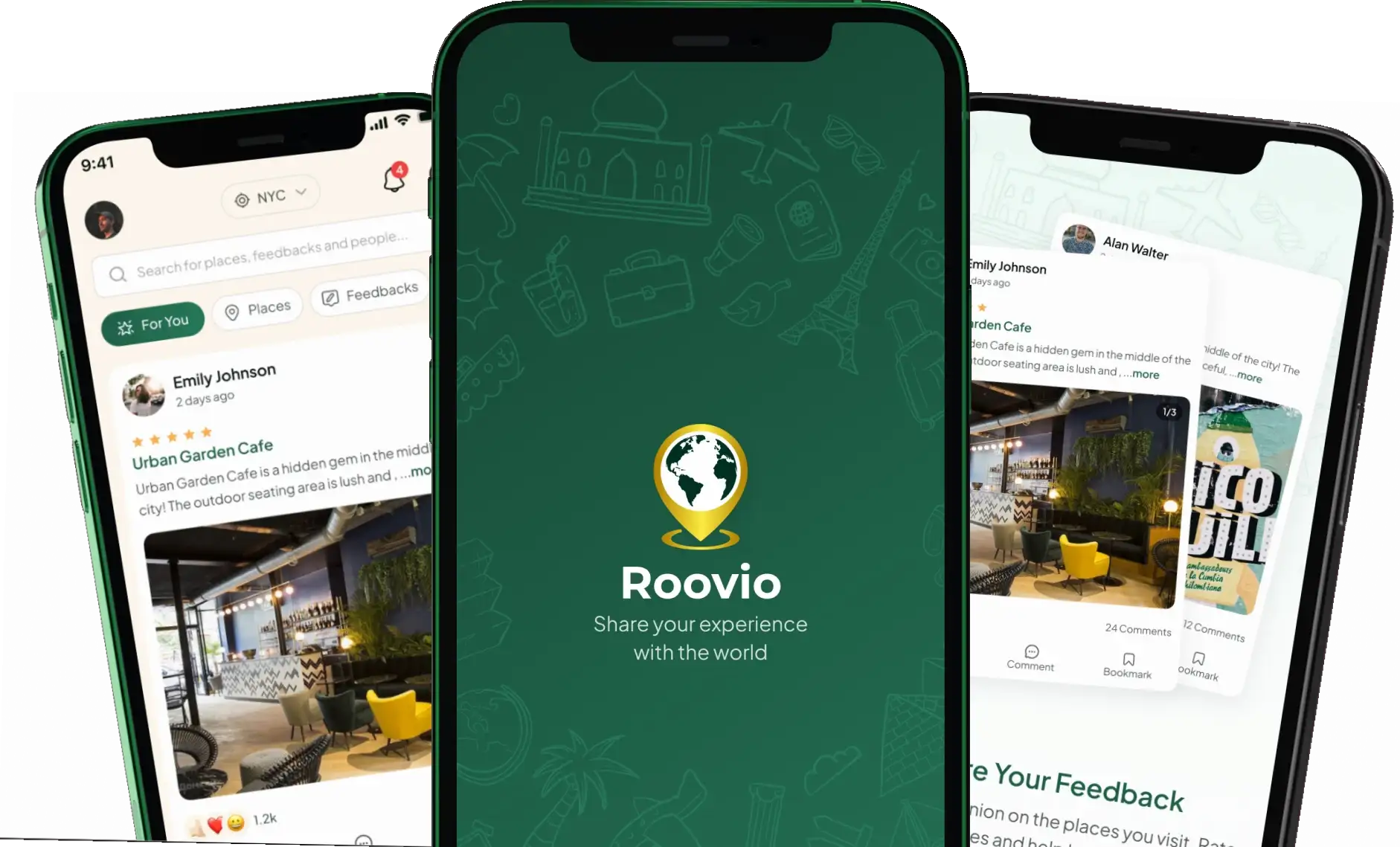
Starting from 0, the strategy generated 500+ clicks, 100+ downloads, and 100+ signups in three months.
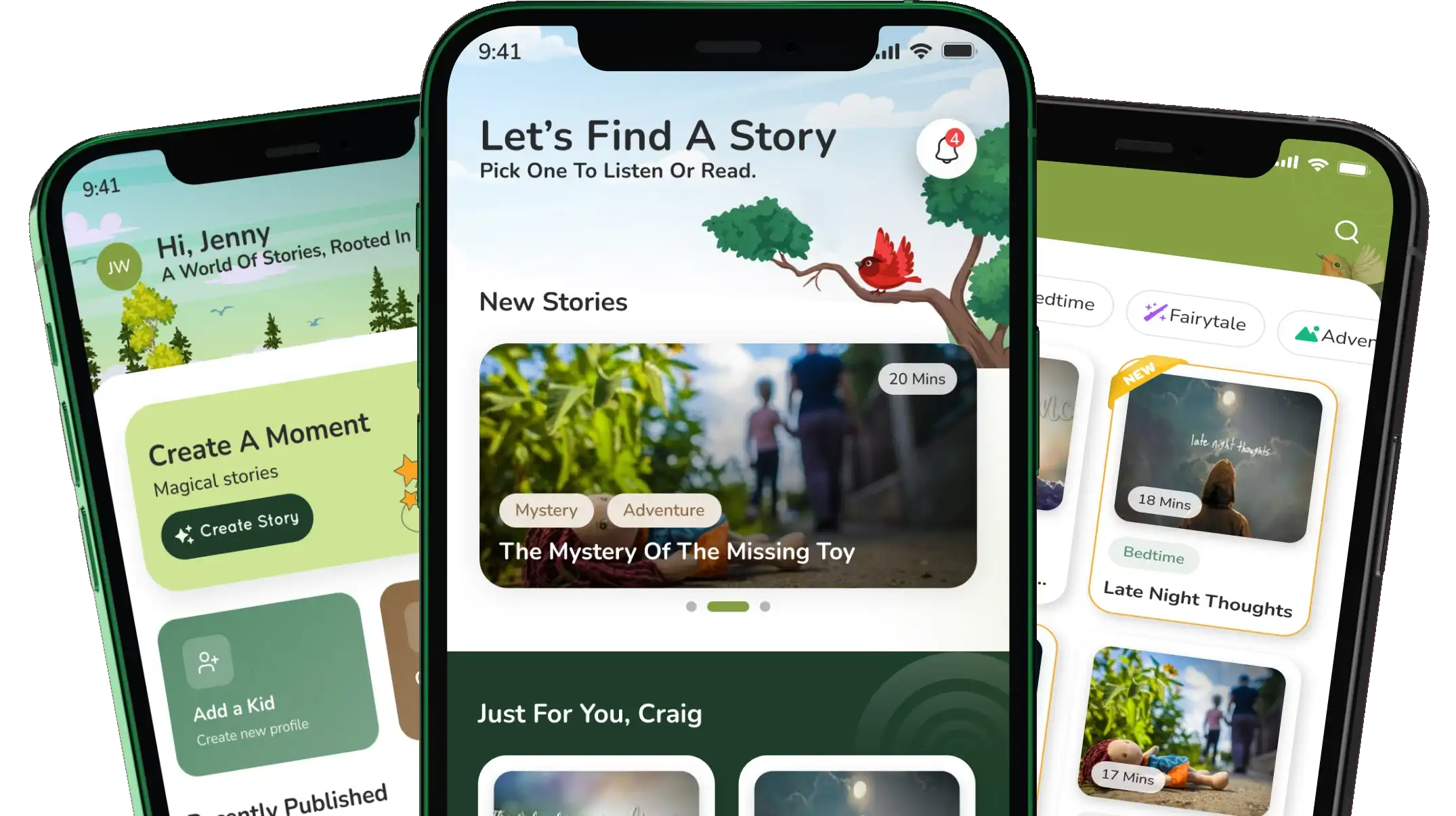
It was figuring out who to reach, where to reach them, and what would make them try the app.









FAQs
App retention is the share of users who keep returning to your app over time, usually measured at day 1, day 7, and day 30 after install.
Help new users reach value quickly, give them a clear next action, and use behavior-based push, email, and in-app messages to bring them back at the right moments.
Fast onboarding to first value, behavioral segmentation, lifecycle messaging triggered by real actions, churn prevention for users showing early warning signs, and win-back campaigns for those who leave.
Activation is a new user reaching the first meaningful action in your product. Retention is whether they keep coming back afterward. Strong activation is usually the foundation of strong retention.
Onboarding decides whether a new user experiences your app’s value in the first session. Long or unclear onboarding is one of the most common reasons users leave and never return.
Well-timed, relevant push notifications remind users of value they have not finished getting, such as an incomplete action or a new milestone. Generic or frequent pushes do the opposite and lead to opt-outs.
With cohort retention curves (D1, D7, D30), activation rate, churn rate, reactivation rate, and revenue by cohort, using your analytics platform.
It reduces the impact of CAC. Retaining more of the users you already paid for raises their lifetime value, so each acquisition dollar returns more.
Yes. We work with common platforms such as Braze, Customer.io, OneSignal, Iterable, and Firebase, and build on what you already have where it makes sense.
By looking for behavioral signals that come before users leave, such as falling session frequency, unfinished key actions, or failed payments, and validating those signals against your own data.