
Start With the Problem That Creates Demand
A free 20-minute call where we learn about your business, your goals, and what isn’t working on your website right now.
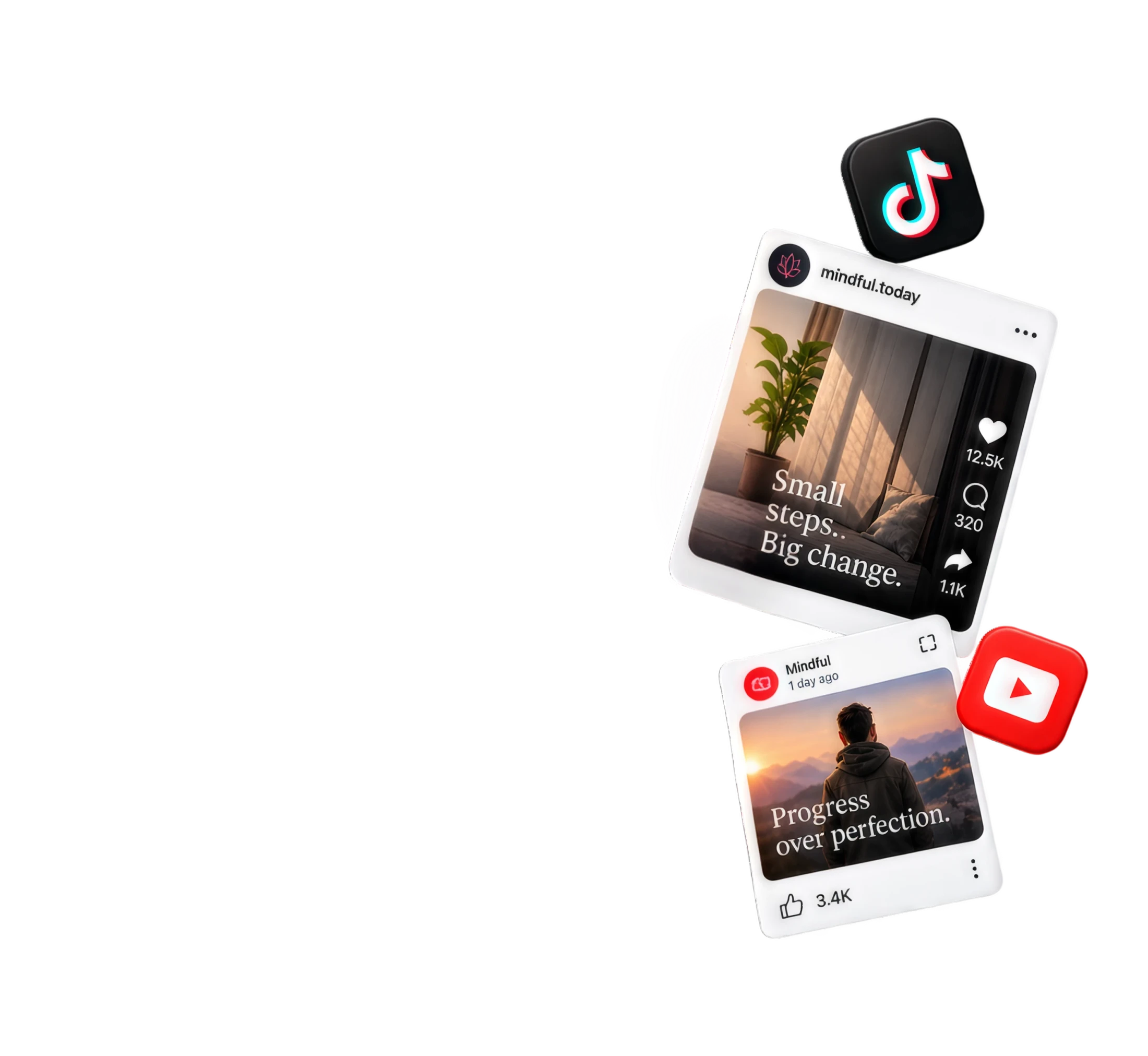
Social Media Marketing for Apps
Being on social media does not mean the right people are seeing your app. The wrong audience, weak content, or poor targeting can bring attention but few installs. Social media marketing for apps brings those pieces together, connecting the right audience with content, creators, UGC, paid social, and retargeting to build awareness, interest, and installs.
38%
increase in app retention
24%
reduction in churn
41%
increase in customer lifetime value
The Missing Link
Your social strategy is not built around the problems, interests, and intent of the people most likely to use your app. The content talks about the product, while the audience is looking for a solution to a specific problem. That disconnect makes targeting less effective and gives people little reason to move from social content to your app.
The Change
Reach the people who already care about the problem your app solves. Turn that relevance into attention, trust, and a clear path toward your app.
A free 20-minute call where we learn about your business, your goals, and what isn’t working on your website right now.
Turn those problems into content that educates, challenges assumptions, demonstrates solutions, and makes your app relevant when it belongs in the conversation.
Use strong hooks, product demonstrations, short-form video, UGC, and real examples to give people a reason to keep watching instead of scrolling past.
The same idea can need a different hook, format, pace, or CTA across TikTok, Instagram, LinkedIn, and YouTube. Adapt the message instead of reposting it everywhere.
Use relevant creators, UGC, customer stories, and community conversations to show how real people experience the problem and use the product.
Use engagement, clicks, traffic, and conversion data to identify strong messages and creative angles. Put paid spend behind the ideas that show enough signal to scale.
Your app can turn everyday attention into real interest, qualified traffic, and more installs. Align your social media with what your app needs to make that happen.
See it work
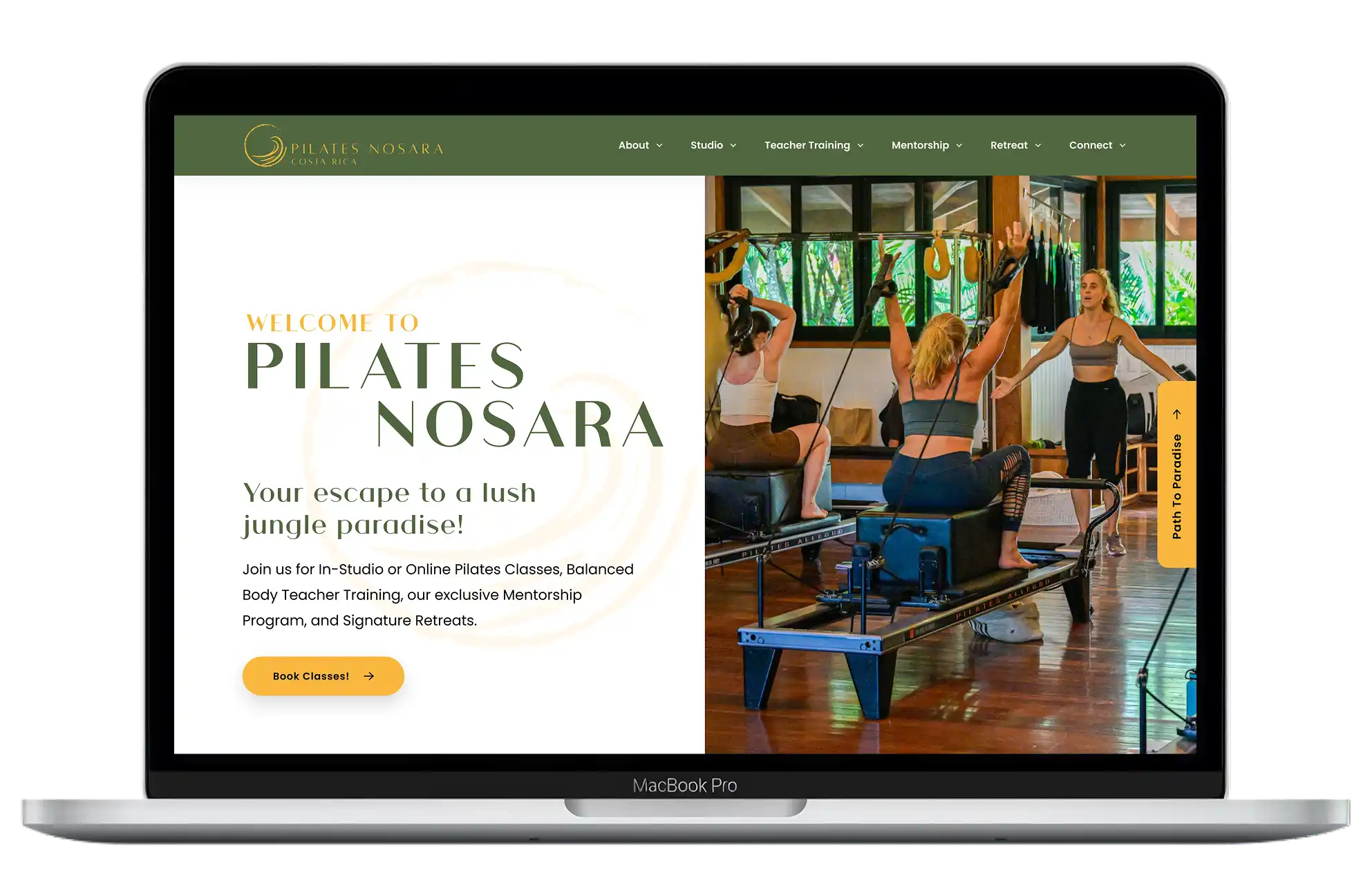
Over six months, organic clicks grew from 7.39K to 12.2K, while organic impressions increased from 512K to 1.12M.
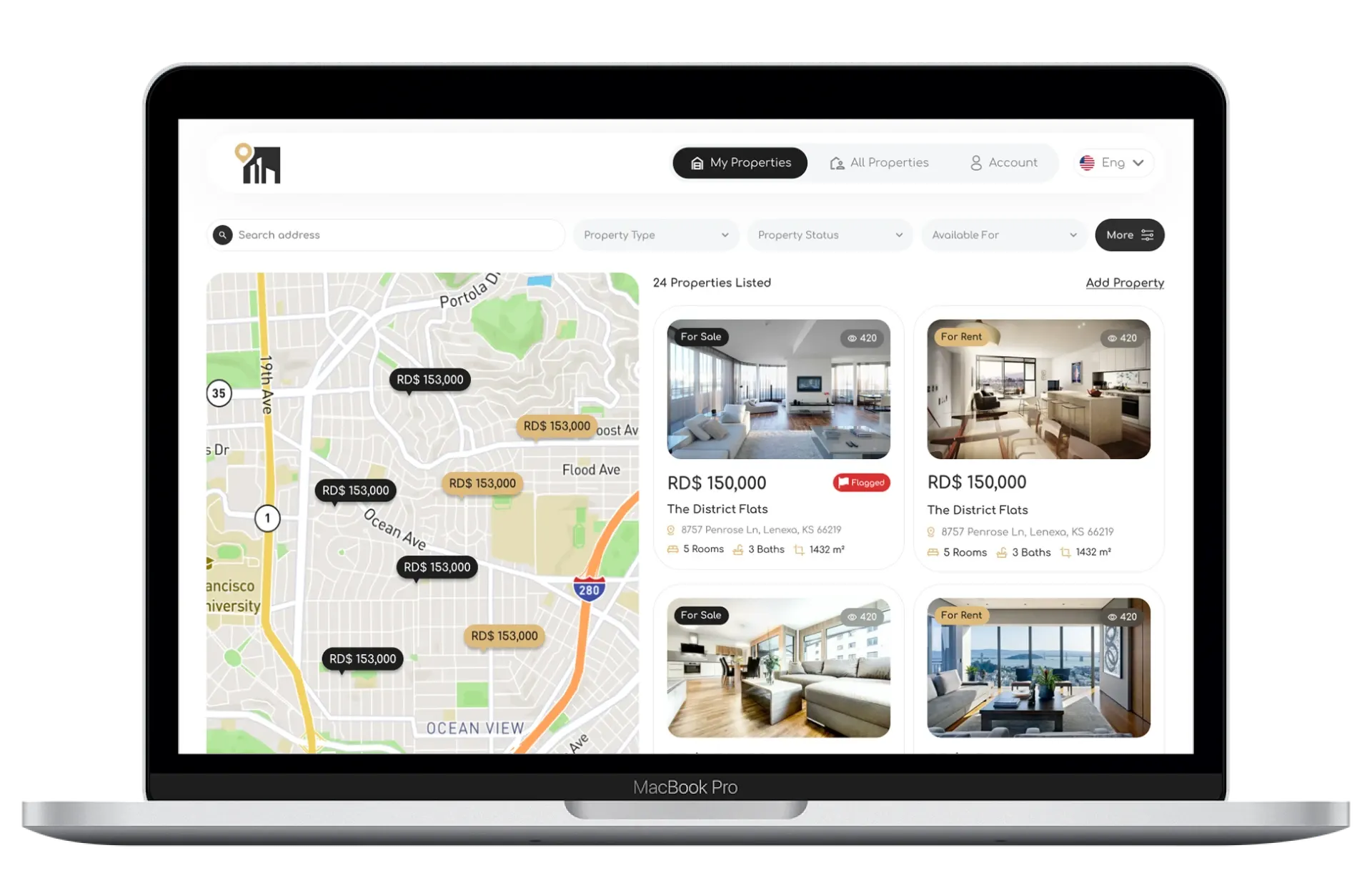
Three months later, Roof360 had 250+ listings and 1,000+ app downloads, starting from zero traffic.
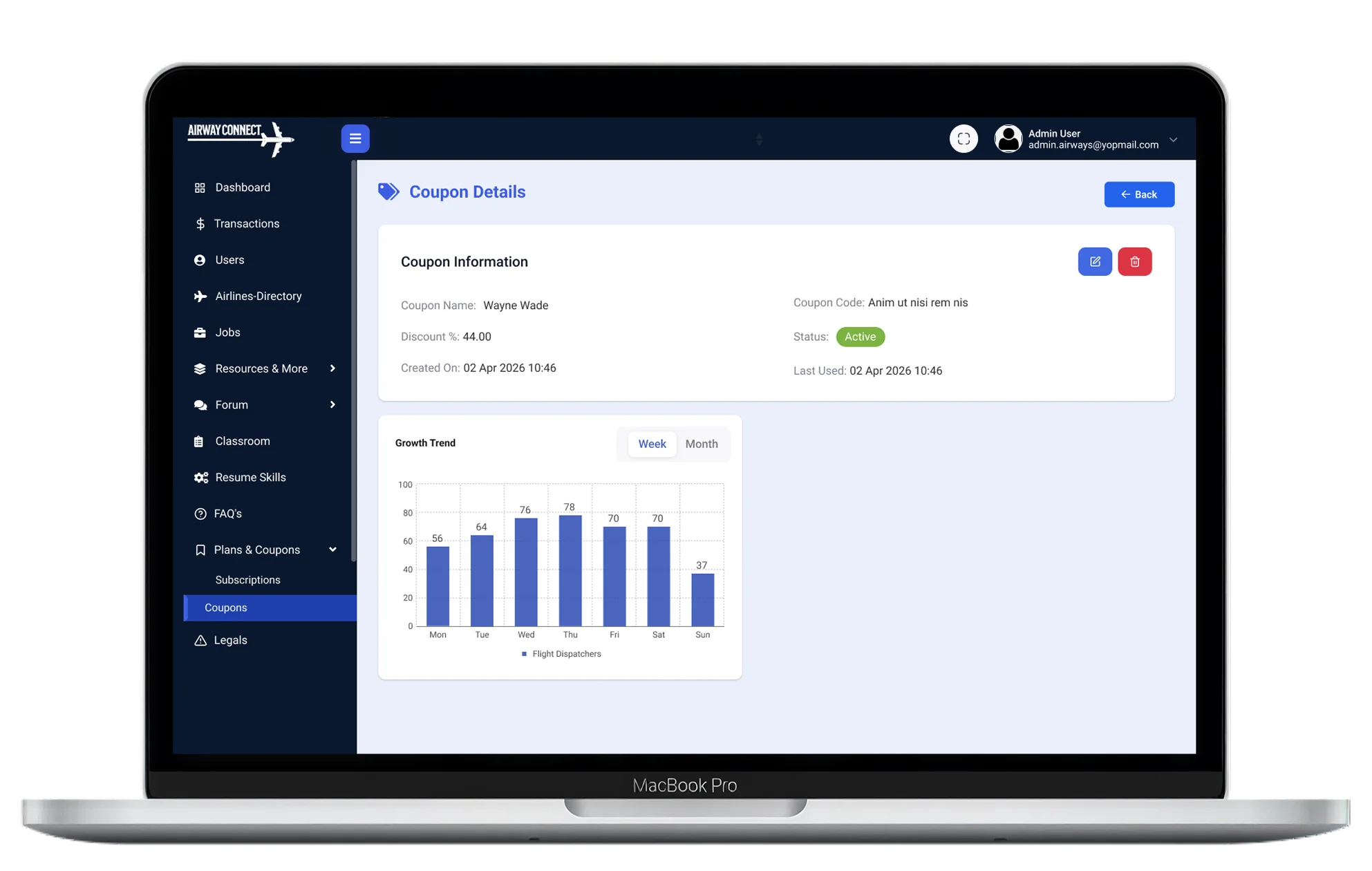
Over three months, that work generated 262 clicks and 50+ signups, giving the campaign a click-to-signup conversion rate of roughly 19%.
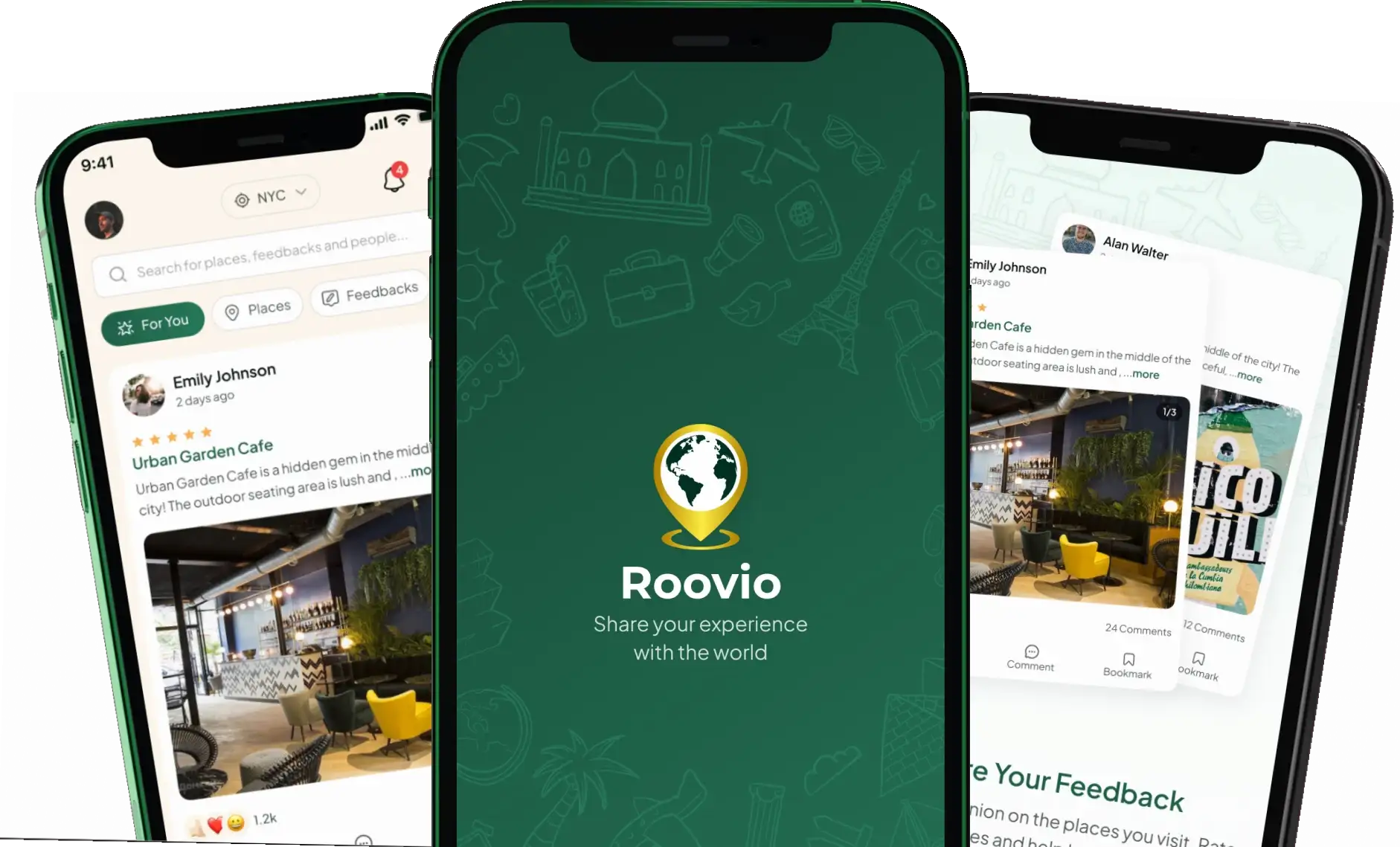
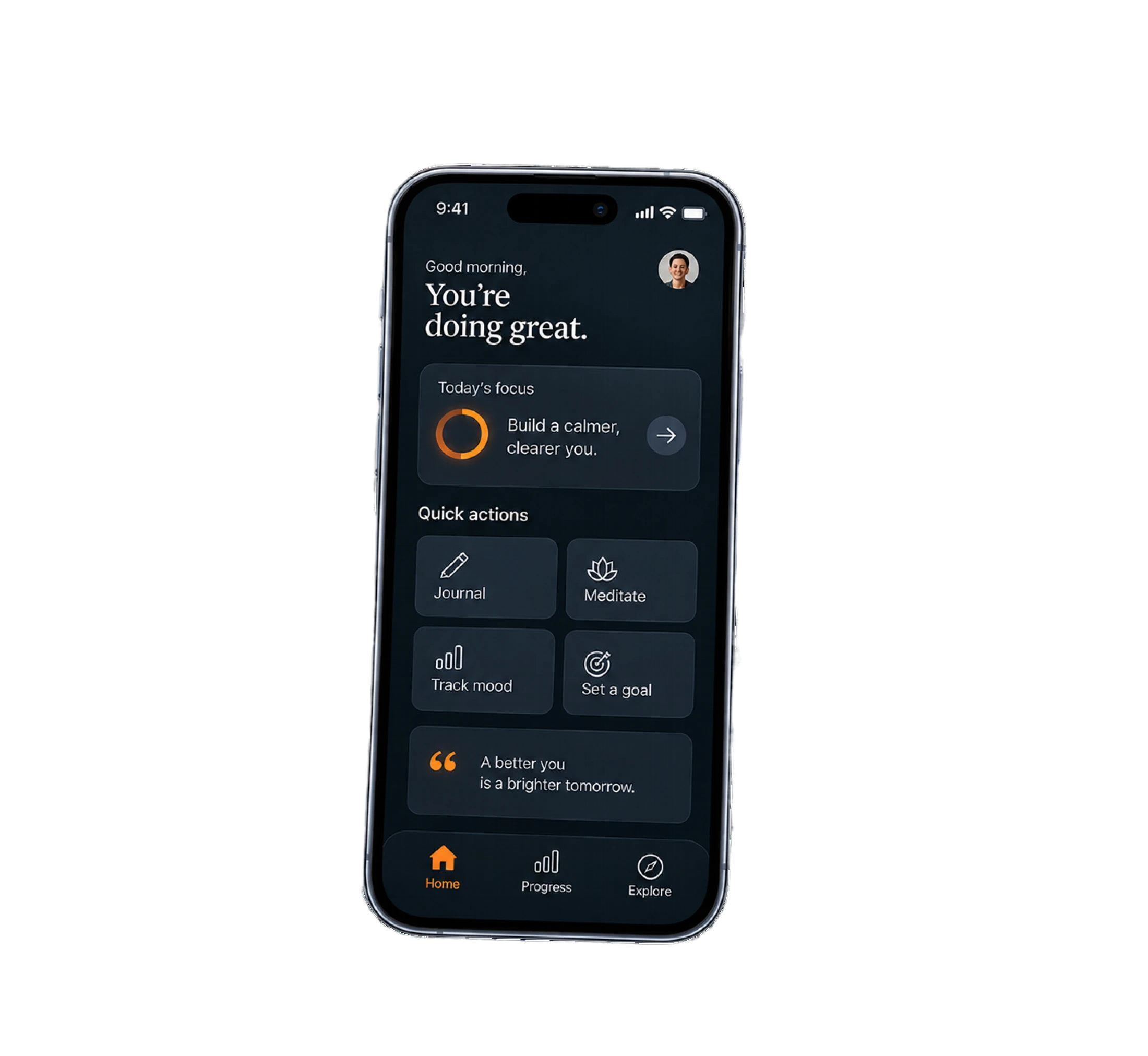
Starting from 0, the strategy generated 500+ clicks, 100+ downloads, and 100+ signups in three months.
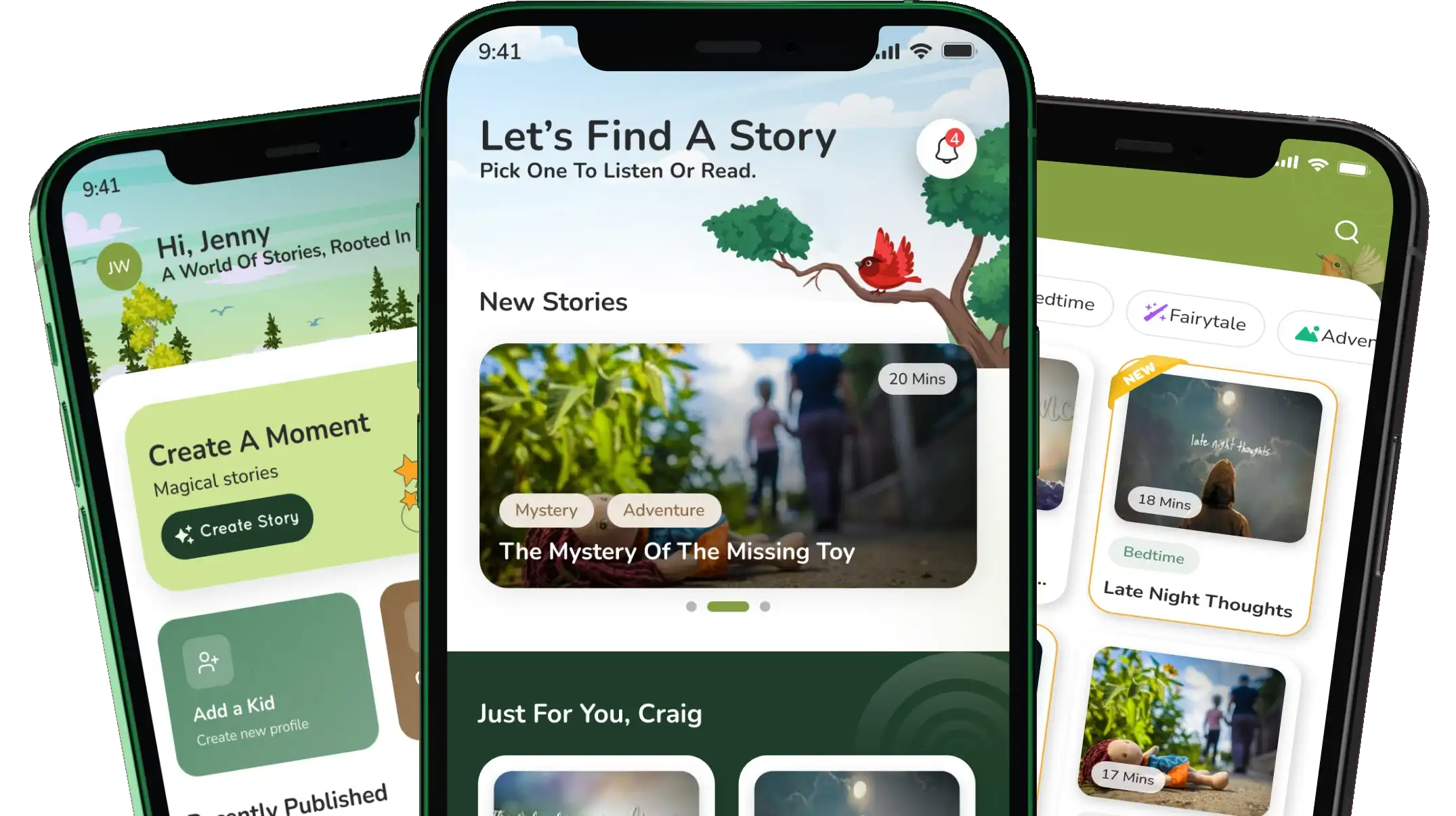
It was figuring out who to reach, where to reach them, and what would make them try the app.
Proof
Put the app in front of people who have a real reason to care about the problem it solves, then shape the message around what matters to them.
Move 01
Shows how effectively your creative earns attention at the start of a video.
Move 02
Tracks installs attributed to measurable social campaigns and referral paths.
Move 03
Shows how well the content keeps people watching after the opening.
Move 04
Shows whether users coming from social reach the first meaningful action inside the app.
Move 05
Measures visits driven by organic content, creators, communities, and measurable paid social activity.
Move 06
Connects social activity to trials, purchases, subscriptions, and revenue where the attribution setup supports that level of measurement.
Real-World Result
A launch needs more than an announcement post. Build the audience, content, creator activity, UGC, paid social creative, and launch social media sequence before the app hits the store.
Your social channels become part of the wider mobile app marketing system, connecting awareness and demand with the product experience and acquisition funnel.
App promotion works better when every piece of content has a reason to exist, whether that means creating awareness, demonstrating value, generating proof, or moving an interested user closer to the app.
Organic growth comes from useful content, relevant conversations, strong creative, and repeated reasons for the right audience to care about the product.
The Missing Link
Social content needs enough time to produce meaningful creative signals. Results depend on audience size, content volume, creative quality, product demand, and the amount of testing available.
Month 01
Audit existing channels, audience signals, competitors, content, creative, UGC opportunities, and the social role inside the wider app marketing strategy.
Month 02
Launch the content calendar, short-form creative, UGC concepts, community activity, and paid social creative tests.
Month 03
Keep the strongest hooks, formats, messages, and content themes, and cut creative that fails to hold attention or drive meaningful action.
See it work
Your app does not need another feed full of polished posts. Organic content creates demand. UGC creates proof. Community creates conversation. Paid social creative gives acquisition campaigns stronger material. Retargeting brings interested users back. That system gives people more reasons to care about the app before they are asked to install, subscribe, or pay.
FAQs
Social media marketing for apps uses organic content, short-form video, UGC, creators, community, paid social creative, and retargeting to build demand around an app and move interested users toward action.
Start building the audience before the app reaches the store. Create content around the problem your app solves, line up creator and UGC activity, and plan a launch sequence of organic and paid social so there is real interest on day one.
Yes. Content built around the problem your app solves reaches people who already care about it, and early signals such as hook rate, hold rate, and installs show which messages are worth scaling before larger budgets go in.
It measures social against app outcomes, not just reach and engagement. Content, creators, and paid social are planned around installs, activation, and revenue, and the message is adapted to each platform instead of being reposted everywhere.
Yes. We run paid social across Meta, TikTok, and LinkedIn, and YouTube where it fits, adapting the hook, format, and call to action to each platform and putting spend behind the creative that shows enough signal to scale.
It can. Stronger creative, better audience targeting, and retargeting people who have already shown interest tend to lower the cost of each install, and connecting social activity to activation and revenue shows which spend is paying back.
Yes. We source and brief UGC creators, and use creator content, customer stories, and community conversations to show how real people experience the problem and use the product.