




Step 01
Start With the Value Users Came For
Map the problem that brought users into the app and the moment where they experience the product’s core value.
Subscription Conversion & Monetization
Getting users to install your app is only half the job. If most of them stay on the free tier, abandon the onboarding flow, or leave when they reach the paywall, your user base can grow while revenue barely moves. App Monetization Optimization improves the path from first use to payment, helping more users start trials, purchase, or become long term subscribers.
32%
increase in subscription conversion
45%
more trial starts
28%
increase in app revenue
The Reality
You know your app inside out, so it is easy to build the onboarding around everything the product can do. But users do not have that context. The onboarding may explain every feature without showing the main benefit. The paywall may appear before users experience the part of the app they actually need. Pricing may offer too many choices.
Pricing may offer too many choices.

How It Works
The subscription funnel should build value first, then make the next step easy.
Your users are already installing. The opportunity is to turn more of that existing demand into revenue.
Step 01
Map the problem that brought users into the app and the moment where they experience the product’s core value.
Step 02
Remove unnecessary steps from mobile app onboarding and guide users toward the action that gets them to value faster.
Step 03
Do not lead with everything the app can do. Lead with the feature or outcome that gives users a reason to keep going.
Step 04
Test when users encounter the paywall against their engagement, product usage, and proximity to the core value.
Step 05
Test headlines, value propositions, plan presentation, trial structures, offers, and paywall layouts to identify what improves conversion.
Step 06
Use free trials, introductory offers, promotional offers, win back offers, and offer codes where they make sense for the subscription model and user segment.
Step 07
Subscription cohort analysis connects trial starts, purchases, retention, churn, revenue, and lifetime value so pricing decisions are based on actual customer behavior.
In their words
I really enjoyed working with team Invictus Studio. They have a very willing spirit to complete tasks with a high quality of workmanship. Their team is the best when it comes to communicating and bringing solutions to any challenge.
It was a delight working with the team at Invictus Studio. I value their creative input and professional behavior throughout the journey. I intend on hiring them over and over again
Invictus Studio has an extremely professional team that worked closely with me at every step of the way. They successfully built our business website from scratch in a short amount of time. They undoubtedly exceeded my expectations.
I had no time to run marketing on top of my job. They picked one channel, ran it, and the installs finally started coming.
I worked with Invictus Studio for my ecommerce site. While this project was pretty small, I am completely convinced that they have the potential to carry out the most challenging development projects
I wanted to design a unique website that perfectly illustrates my creative business. Invictus Studio did a great job and brought my random thoughts to life
Very professional team with quick solutions to all design and development challenges!
The Missing Link
There is no fixed timeline for subscription conversion. The pace depends on user volume, existing conversion data, subscription model, traffic quality, and how much testing the product can support.
Month
Audit the onboarding flow, paywall, pricing, offers, purchase flow, subscription data, and existing app revenue analytics. Establish the baseline across conversion, retention, churn, and revenue.
Month
Run prioritized tests across onboarding, paywall messaging, pricing presentation, trials, offers, and purchase flows. Measure trial to paid conversion alongside early retention.
Month
Compare subscription cohorts, validate the strongest changes, review D30 retention and churn, and prepare the next monetization iteration around the users and offers producing the strongest economics.
The goal is not to keep changing the paywall. It is to build a clearer picture of what makes users start, pay, stay, and generate revenue.
The goal
The goal is not simply to put a paywall in front of more users. It is to improve the parts of the subscription journey that determine whether users pay, stay, and generate revenue.
A clearer onboarding flow that gets users to the product’s core value without unnecessary steps or explanations.
A prioritized testing plan covering paywall timing, messaging, layouts, plans, trials, and offers.
Recommendations for subscription plans, pricing presentation, free trials, introductory offers, promotional offers, win-back offers, and offer codes.
A practical redesign of the path from paywall view to completed purchase, including unnecessary friction that can stop users from subscribing.
Cohort reporting across trial-to-paid conversion, D30 and D90 retention, voluntary and involuntary churn, ARPU, ARPPU, LTV, and payback period.
Clear product and engineering specifications for the changes that need to be implemented, with recommendations mapped to your existing subscription stack.
The Bigger Picture
A subscription funnel can produce more purchases and still lose money if users cancel quickly or acquisition costs remain too high.
Measure how many users who start a trial become paying subscribers.
Track average revenue per user and average revenue per paying user to measure the value generated across the user base.
Measure the percentage of users reaching the paywall who complete a purchase.
Connect subscription revenue with acquisition costs to measure lifetime value and how long it takes to recover the cost of acquiring a customer.
Compare subscription cohorts over time to understand whether new pricing, offers, or onboarding changes attract users who stay.
Track the downstream effect of conversion, retention, pricing, and offers rather than treating subscription starts as the final result.
Separate cancellations from failed payments, billing retries, and grace period activity so churn problems are diagnosed correctly.
See it work

Over six months, organic clicks grew from 7.39K to 12.2K, while organic impressions increased from 512K to 1.12M.

Three months later, Roof360 had 250+ listings and 1,000+ app downloads, starting from zero traffic.
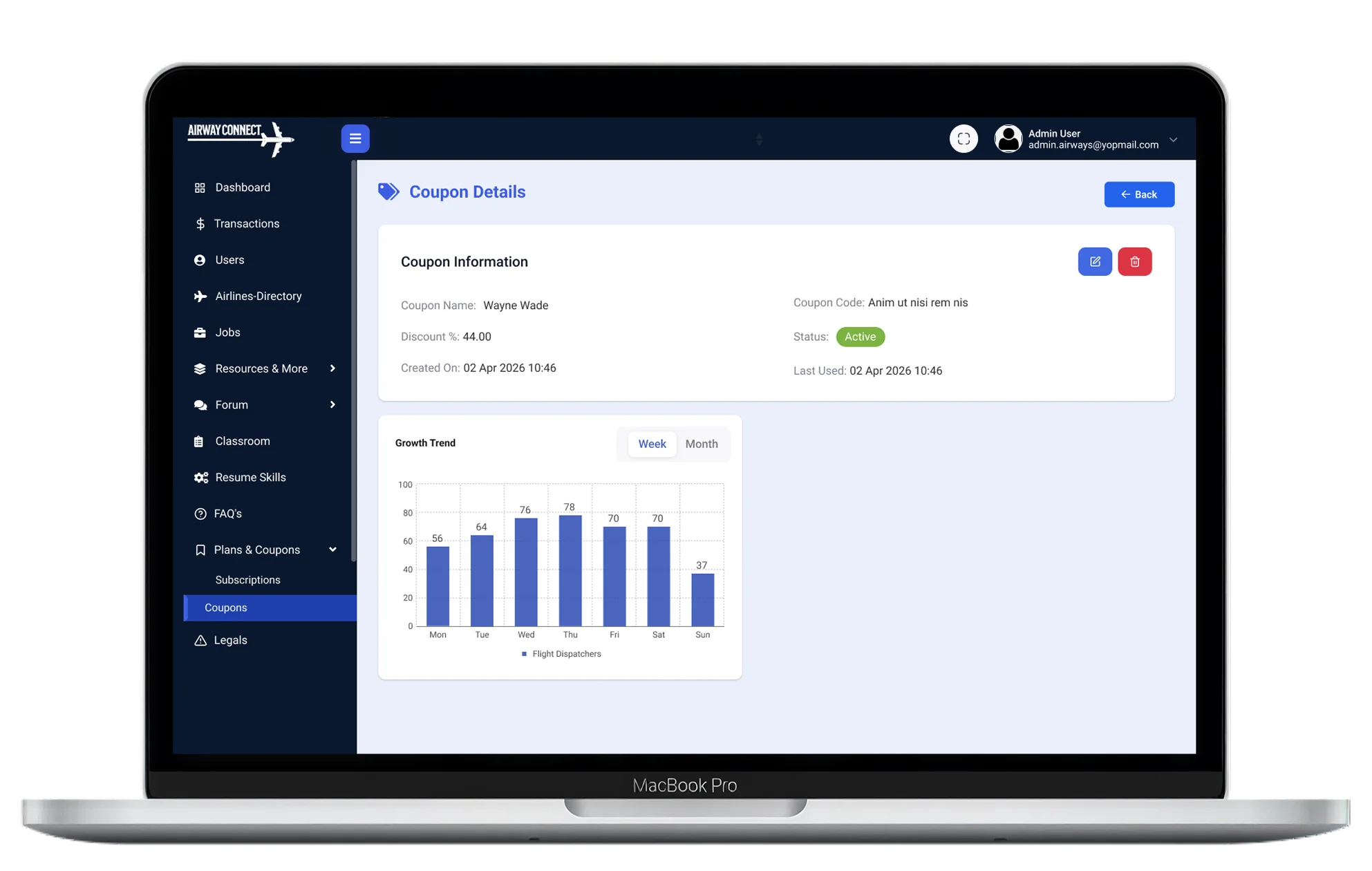
Over three months, that work generated 262 clicks and 50+ signups, giving the campaign a click-to-signup conversion rate of roughly 19%.
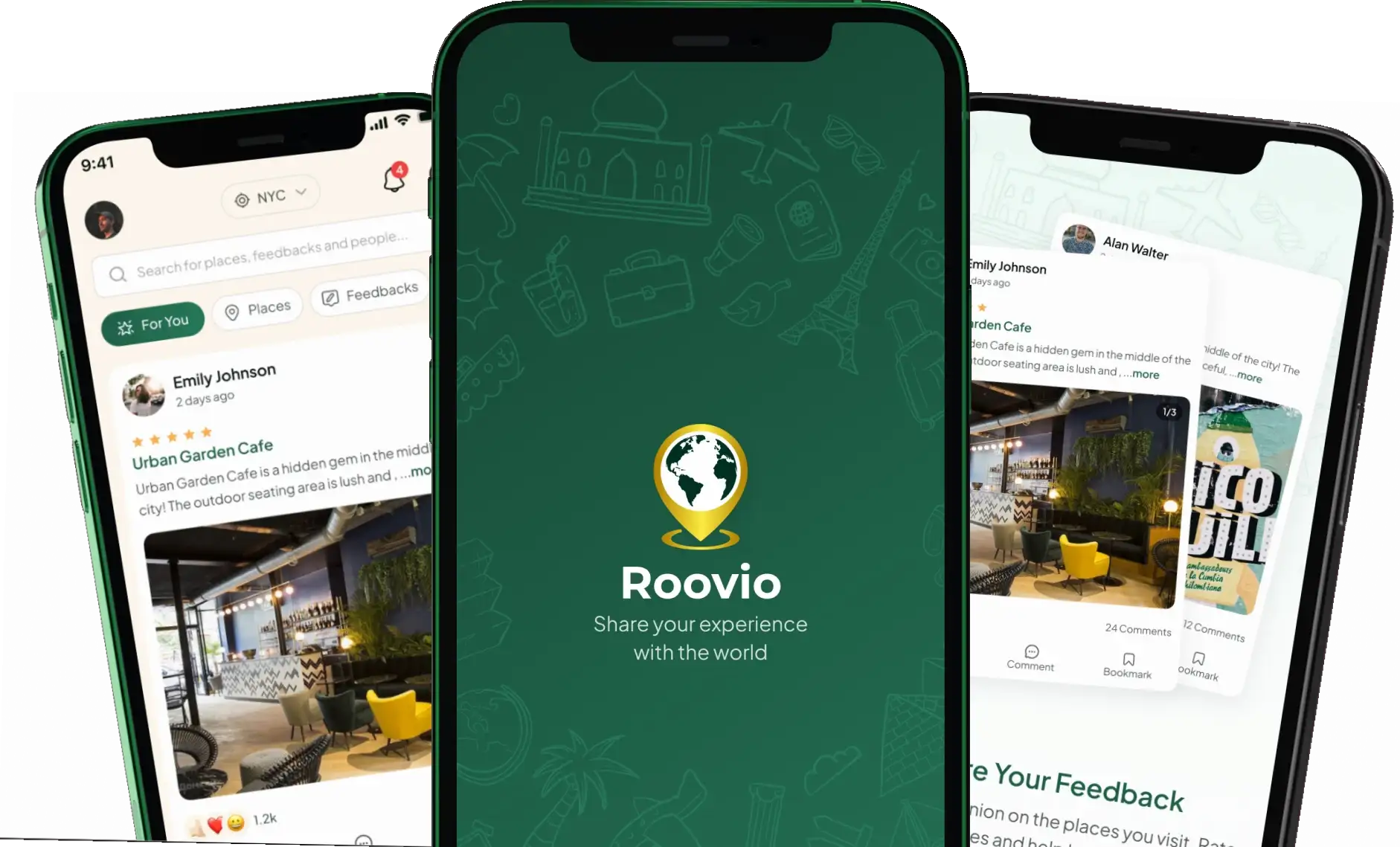
Starting from 0, the strategy generated 500+ clicks, 100+ downloads, and 100+ signups in three months.
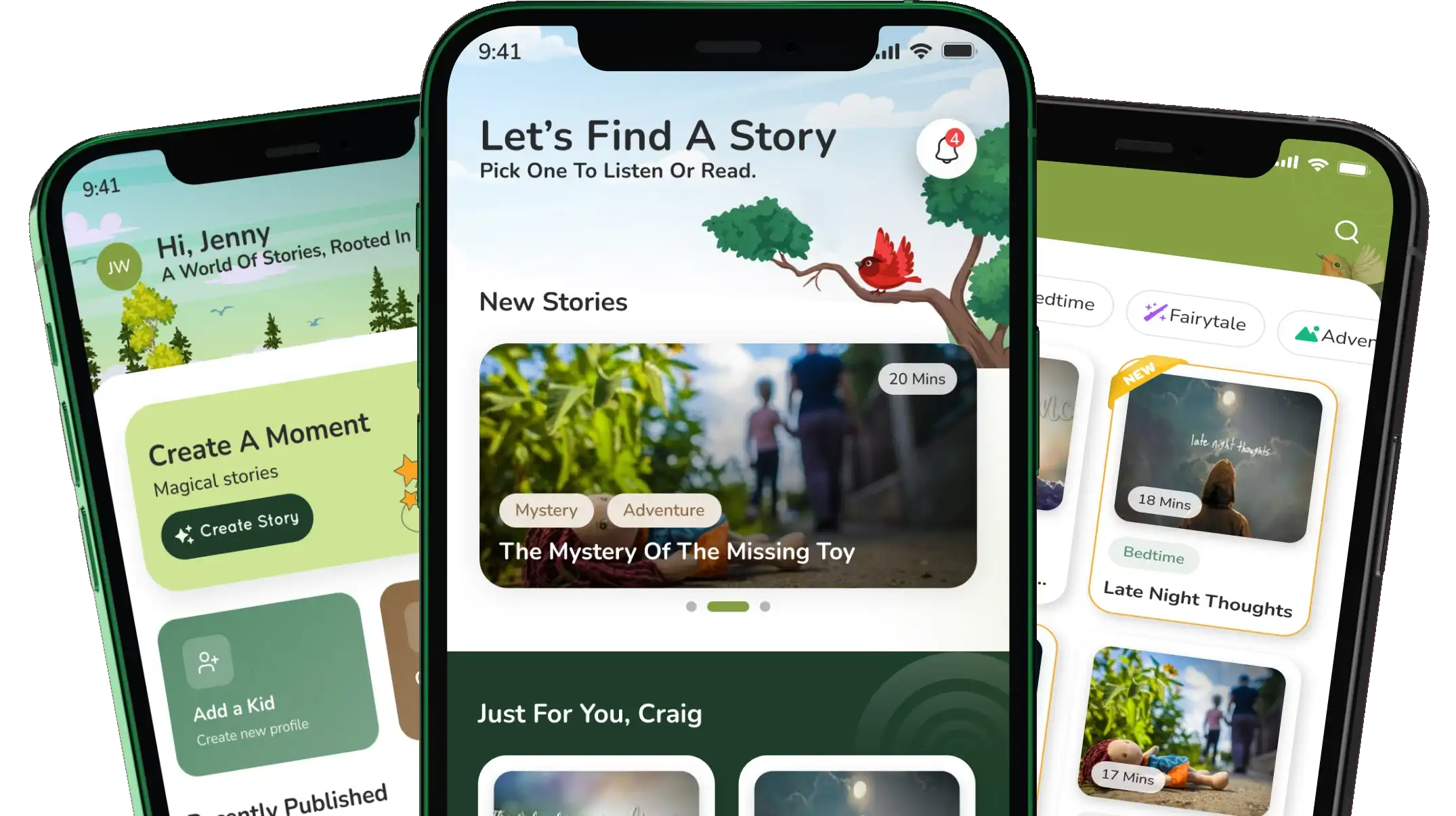
It was figuring out who to reach, where to reach them, and what would make them try the app.










FAQs
Social media marketing for apps uses organic content, short-form video, UGC, creators, community, paid social creative, and retargeting to build demand around an app and move interested users toward action.
Social media marketing for apps uses organic content, short-form video, UGC, creators, community, paid social creative, and retargeting to build demand around an app and move interested users toward action.
Social media marketing for apps uses organic content, short-form video, UGC, creators, community, paid social creative, and retargeting to build demand around an app and move interested users toward action.
Social media marketing for apps uses organic content, short-form video, UGC, creators, community, paid social creative, and retargeting to build demand around an app and move interested users toward action.
Social media marketing for apps uses organic content, short-form video, UGC, creators, community, paid social creative, and retargeting to build demand around an app and move interested users toward action.
Social media marketing for apps uses organic content, short-form video, UGC, creators, community, paid social creative, and retargeting to build demand around an app and move interested users toward action.